
How to Prevent Mosquitoes in Your Pond
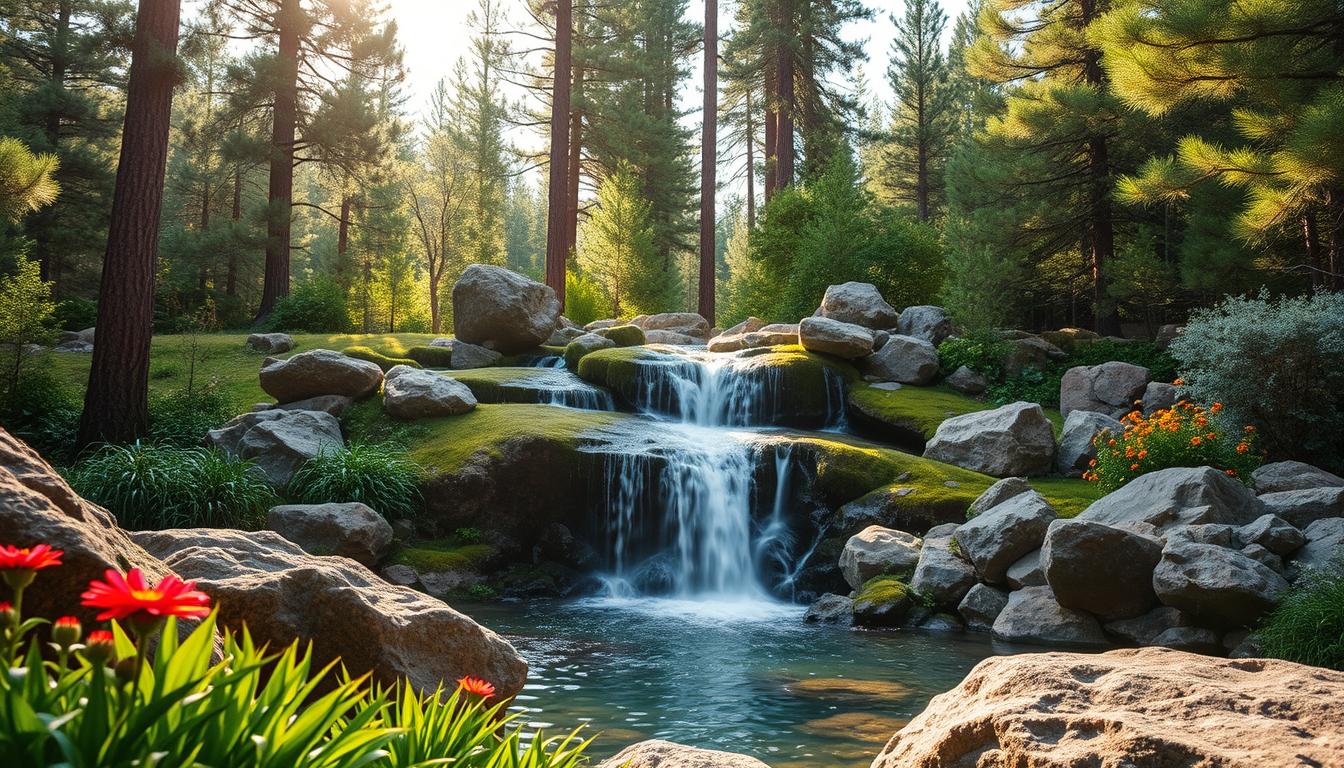
Bring moving water and calm to your yard. This short guide highlights seven standout approaches that suit Utah’s varied elevations and dry climate. Each option shows how falling water adds cooling movement, reflective surfaces, and a relaxing atmosphere.
You’ll see natural rock cascades, compact pondless systems, and modern metal basins that pair with fireplaces. Plant choices like conifers and ferns help tuck a pond into a woodland setting and soften hard edges.
Expect practical picks for every lot size—from mini water gardens to grand rock falls that drop into a patio-side pond. We also cover cost and complexity, from simple kits with preformed reservoirs to custom cut-stone installations.
Read on to match a feature to your home and landscape. These concepts show how a focused water element can anchor seating nooks, mask street noise, and create an inviting outdoor space for daily relaxation and guest experience.
Key Takeaways
- Seven adaptable concepts fit Utah yards and climates.
- Options range from DIY kits to custom stone builds.
- Planting and material choice tie a feature to your home.
- Pondless setups save space and lower upkeep.
- Placement enhances views and the overall atmosphere.
How to Plan a Utah‑Ready Backyard Waterfall
Good planning makes a long‑lasting feature. Start by mapping sun, shade, and slope to place moving water where it soothes seating areas but not bedroom windows. Aim for sightlines from key rooms so the element reads as a natural point in the yard.
Site, slope, and space: Use your yard’s natural grade to step water down with minimal excavation. Compact courtyards do well with vertical or pondless layouts, while larger lots can host meandering streams and ponds.
Materials that thrive: Specify durable stone, reinforced concrete basins, or corrosion‑resistant metal for Utah’s freeze‑thaw cycles. Texture matters—rough faces make livelier splashes and change the sound.
Budget, pumps, and time: Ready‑made kits with preformed reservoirs cut labor costs. Size the pump to width and head height and add adjustable valves to tune flow and sound. Be realistic about maintenance time: ponds need skimming and filters, while pondless systems lower debris work.
- Engineer liners, splash zones, and service vaults for reliability.
- Run lighting conduits now for future low‑voltage uplights.
- Choose non‑slip approaches and child‑safe depths for family yards.
Rocky Cascade Oasis with Natural Stones and Mossy Accents
Layered rock cascades bring a mountain‑stream vibe to smaller yards, using stepped flats and boulders to mimic natural flow.
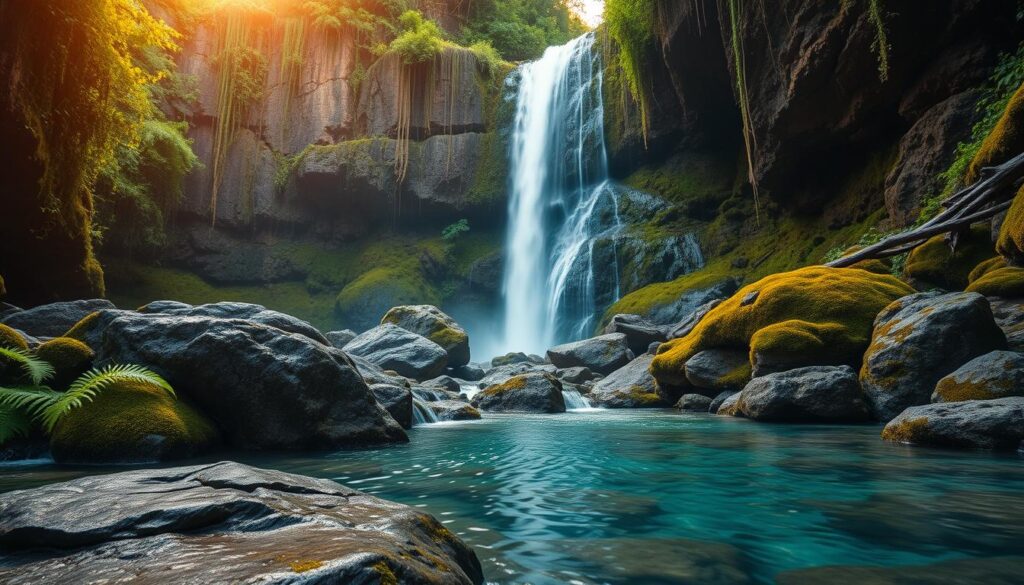
Build the multi‑tier look by alternating broad shelves and narrow notches. Use flats as ledges and rounded stones for pool edges so water sheets over some lips and feather over textured faces.
Layering boulders and flat stones
Step boulders in courses and place wider shelves to slow flow. Narrow spill points add speed and natural variation. Conceal plumbing behind larger pieces to keep the composition seamless.
Woodland plants and conifers to frame the pond
Frame the scene with conifers, ferns, and shade‑tolerant plants that cool the microclimate. Use larger perimeter rocks to armor the pond and smaller stones to blend beds into the surrounding landscape.
Creating tranquil sound with uneven rock textures
Tuck moss and groundcovers between stones so joints soften and patina develops. Irregular stone faces break flows to produce a varied sound that soothes without harsh splash.
- Flagstone steps or a small overlook let guests watch fish at the surface.
- Calibrate pump flow for sheet integrity over lips and feathering down textured faces.
- Choose native‑adapted plants to ensure four‑season interest and low upkeep.
Pondless Waterfall for Small Yards and Low Maintenance
A pondless waterfall is a smart way to add moving water when space is tight. This compact approach tucks a hidden reservoir beneath river rock so water disappears into gravel and recirculates without an open pond.
Child‑safe and low upkeep: These systems remove standing water, reducing risk for kids and pets while simplifying daily care. Size the storage basin to handle splash and evaporation and add an auto‑fill line so the pump never runs dry.
- Use native cobbles to boulders to hide the vault lid and give a clean, modern look.
- Choose a narrow weir or steel spout for a crisp sheet, or shaped stone lips for a softer sound.
- Keep service access simple: a short path to the pump vault helps seasonal maintenance and winterization.
“A buried reservoir gives the sights and sounds of moving water without taking up usable yard space.”
Maintenance tips: Rake or vacuum gravel seasonally, clear the intake screen, and flush lines as needed. Add discreet spotlights at the return edge so the disappearing line reads at night and the feature gains depth.
Wall‑Mounted and Vertical Waterfalls for Patios and Fences
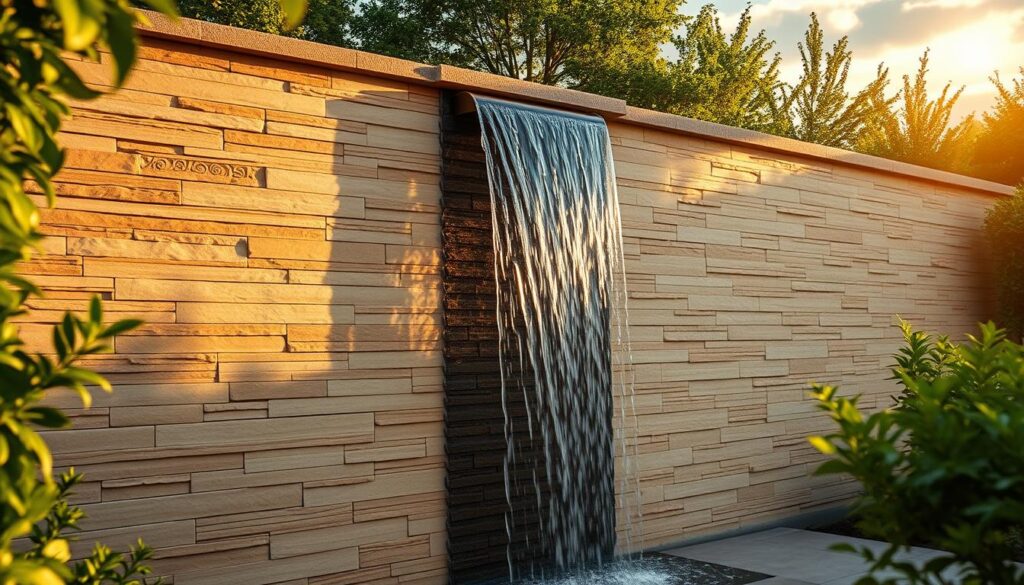
Mounting a flowing panel against a patio wall gives moving water without sacrificing floor space. A vertical feature can be built into existing retaining walls or created as a new freestanding element tailored to a yard’s scale.
Stone, tile, or concrete spillways provide clean lines and durability. Use integrated scuppers or metal spouts to form crisp sheets, or shape lips in stone for softer runs.
Integrating planters and cascading greenery
Place planter boxes above or beside the spill so vines and trailing plants soften the face. Greenery reduces hard edges and helps the feature read as part of the garden.
Rain curtain effects for a sleek, contemporary feature
Create an even sheet by feeding slots along a header to produce a rain curtain. Add LED grazing lights and a metal spout for a modern look at night.
- Engineer the cavity for waterproofing and service access.
- Direct water into a narrow, aboveground basin for easy cleaning.
- Use deflectors or textured panels to tune sound and sparkle.
“A well‑built vertical fall gives big presence with a small footprint.”
Modern Metal and Concrete Water Features
Clean metal edges and formed concrete make bold, low‑maintenance water features that suit modern Utah patios. These elements bring a contemporary look while staying practical for local climates.
Steel and copper spouts that mask street noise
Steel or copper scuppers project a crisp sheet of water into a triangular steel or concrete basin. The steady broad spill creates a soothing sound that helps mask traffic and improves patio comfort.
Pairing with outdoor fireplaces for a dramatic focal point
Place a triangular steel basin beside an outdoor fireplace to contrast fire and water for year‑round appeal. Prefinished or weathering steel controls patina so the metal coordinates with railings or planters.
- Specify concrete basins with reinforcement and waterproofing to resist freeze‑thaw cycles.
- Use adjustable weirs to tune flow and reduce splash on seating areas.
- Keep maintenance simple with accessible pump vaults and removable intake screens.
- Integrate linear drains or gravel splash beds to keep surfaces dry and clean.
- Add subtle under‑cap lighting to highlight the water edge at night.
“A triangular steel basin paired with a fireplace delivers soothing sound while masking street noise.”
Stream and Stepped Waterfall Designs that Meander
A sloped yard can host a winding stream that steps down the hill in soft, natural stages.
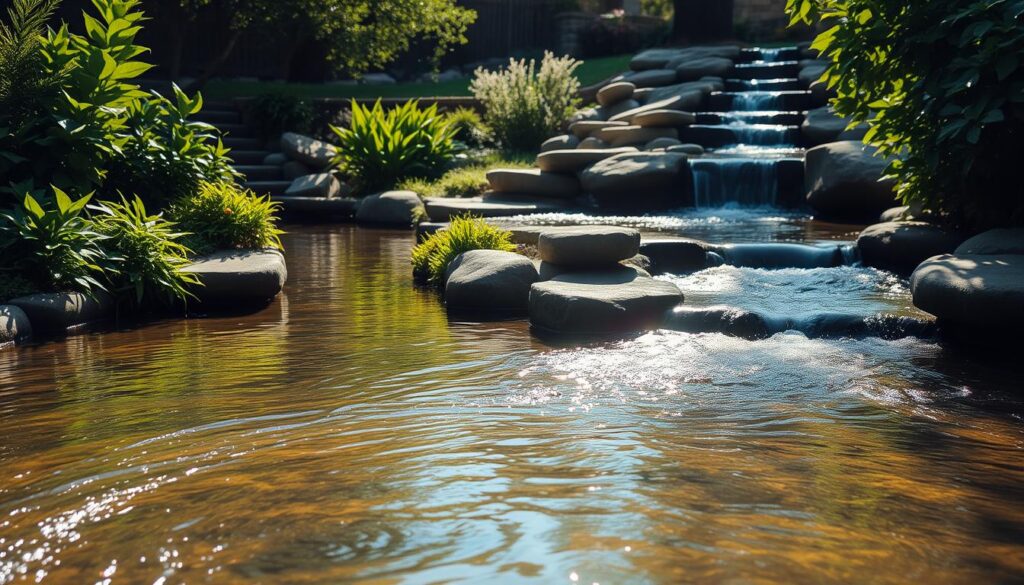
Turn grade into movement: Use a gentle backyard slope to lay a meandering stream bed with spaced riffles and small waterfall steps. Shallow pools between steps slow flows and reflect sky, then tip water over stone lips for sparkle.
Turning a natural slope into layered steps
Stagger step heights so each fall makes a unique sound and reduces repetitive splash. Hide pump returns beneath the top pool or behind a rock grouping so the system reads as continuous and natural.
Rocks, bridges, and planting for a mountain look
Edge the run with smooth river rocks and occasional angular stones to stabilize banks and protect liner edges. Add a small bridge or stepping stones to invite strolling and create photogenic moments.
- Plant grasses, irises, and low shrubs to tie the stream into the garden and support pollinators.
- Include maintenance access along one side for skimming leaves and inspecting edges.
- Use select boulders midstream to split flow and form microfalls that mimic a wild creek.
“A winding stream on a slope brings layered sound and movement that feels like a mountain creek.”
Poolside Waterfalls: Retaining‑Wall Sheets and Rock Weirs
A pool edge with multiple spillways can become a dramatic, resort‑style focal point without overwhelming the yard.
Three‑spill retaining walls deliver symmetry and visual motion. Evenly spaced spillways send broad sheets of water into the pool and frame the far edge with a clean, calm rhythm.
Specify dedicated pumps and valves so each sheet balances with minimal splash. Align spill elevations to keep wind spray off loungers and preserve sightlines from seating zones.
- Natural look: Seat a single sculptural stone at the waterline as a simple weir that will look like it grew from the site.
- Build methods: Use concrete cores with stone veneers for stability, or monolithic concrete for crisp, modern edges.
- Night impact: Add niche lights beneath each spill to highlight water and improve poolside visibility.
- Practicals: Coordinate finishes with pool coping, add an accessible equipment pad, and consider salt compatibility for metals.
- Softening: Frame the wall with planting pockets to connect the feature to nearby beds.
“A trio of evenly placed spillways turns the pool perimeter into a lasting focal point.”
Planter‑Topped and Container Waterfalls for Creative Spaces
A series of tiered vessels turns a narrow corner or balcony into a tactile, sound-rich focal point.
Compact features use stacked bowls, barrels, or repurposed tubs to move water from one level to the next. Place a planter at the top so flowering plants spill over the rim while water slips beneath, giving the garden a layered, living look.
Stone bowls provide a minimalist, modern option. Vintage faucets, weathered wood, or an old sink add character for a rustic touch.
- Stack ceramic or stone bowls to create a compact fall that fits a small space and delivers layered movement.
- Use a submersible pump with tubing between tiers for steady transfers and easy seasonal disassembly.
- Seal repurposed barrels or basins properly for longevity, and add decorative stones and a shallow catch basin to control splash.
- Situate the feature near seating so the gentle water sound is enjoyed up close, and illuminate rims or the lowest basin for evening sculptural effect.
“A planter-topped setup brings plants and flowing water together in a small, memorable package.”
Maintenance is simple: a filter sponge, occasional wipe of mineral deposits, and winter storage or drainage for vulnerable containers.
Hidden Grotto Retreats and Garden Nooks
Build a cave‑like alcove from stacked stone and let a narrow spout send a veil of water into a cool, fern‑lined niche.
Crafting the enclosure: Arrange large boulders to form a sheltered alcove where a narrow opening lets a waterfall slip into a shaded hollow. Conceal plumbing inside the rock mass and leave a small service panel behind plantings for easy access.
Seating, paths, and overlooks
Carve a seating niche into the rock or nestle a bench into adjacent plantings so visitors have a quiet spot to enjoy cool air. Add a meandering path with non‑slip steps and handholds where grades change.
- Create a bird’s‑eye overlook with stable gate stones or a modest platform to admire the grotto without trampling beds.
- Plant ferns, mosses, and shade‑tolerant plants around the splash zone to keep humidity high and enrich the atmosphere.
- Tune drop height to control sound—short falls for a murmur, taller verticals for a bolder presence.
“A well‑sited grotto reads like a natural hollow and becomes a private backyard retreat.”
Lighting, Sound, and Nighttime Atmosphere Tips
Well‑placed fixtures and calibrated spills create mood, sparkle, and a balanced soundscape at night.
Light where water moves: Use underwater LEDs in lower pools and along spill edges to outline the moving water and make the feature read clearly at night.
Underwater LEDs and uplights for stones and spill edges
Add narrow‑beam uplights to rake textured stones so ripples and highlights enrich the composition without glare for guests.
Choose warm color temperatures around seating for a relaxed mood, and use slightly cooler accents farther away to layer depth.
Tuning sound: splash on stone vs. water‑to‑water
Tune the sound by directing water to kiss stone lips for a lively sparkle or to fall water‑to‑water for a softer, rounder tone.
Vary spill widths and step heights to build a multi‑voice soundscape that stays pleasant over long listening periods.
- Hide fixtures behind rocks and plants, aiming across the water to avoid shining lights at viewers.
- Put lighting on independent dimmers and zones to shift emphasis between paths, the main feature, and trees.
- Leave slack in cables and accessible junctions so fixtures can be serviced without moving hardscape.
- Test at dusk to refine angles and outputs; add low‑wattage path lights near access points for safety.
“Warm grazing lights and tuned spills turn a backyard fall into a calm, lived‑in night scene.”
Waterfall Design Ideas: Bringing It All Together
Let the slope, sun patterns, and sightlines guide which water feature best fits your property.
Match features to site conditions: sloped yards favor streams and stepped runs, while compact patios excel with vertical panels or planter-topped tiers. Layered cascades over natural rocks amplify reflections and movement, boosting day‑to‑night beauty and presence.
Cut-stone walls and crisp spillways create an architectural focal point that suits rectilinear hardscapes. Pair triangular steel basins and scuppers with fireplaces to anchor gatherings and heighten the seasonal experience.
- Tune flow, lip texture, and drop height to shape both look and sound at the main point of use.
- Use planter-topped stacks and containers for seasonal color and easy updates.
- Finish with layered lighting so the feature reads as an evening centerpiece.
Maintenance rhythm: clear intake screens, skim debris, and winterize or drain as recommended so your backyard waterfall performs with minimal downtime.
“Map a shortlist of concepts to your yard’s constraints and opportunities before choosing a final plan.”
Conclusion
The right water feature can make a yard feel larger, calmer, and more inviting at once. A small pond or pondless waterfall adds reflection and sound to tight spaces. Planter‑topped stacks, slim wall spills at the patio, or a meandering stream on a slope all bring distinct atmosphere and seasonal life.
Choose a strong, lasting focal point that matches maintenance time, budget, and how you use your outdoor space. Use durable materials like stone and sealed concrete, add plants to soften edges, and plan lighting so water shimmers at night.
Whether you add a pool weir, a fish‑friendly pond, or a slim wall spill, map placements to views and wind patterns. The right selection will make your backyard a daily ritual and a welcoming extension of your home and landscape.
You Might Also Like...