
How to Prevent Mosquitoes in Your Pond
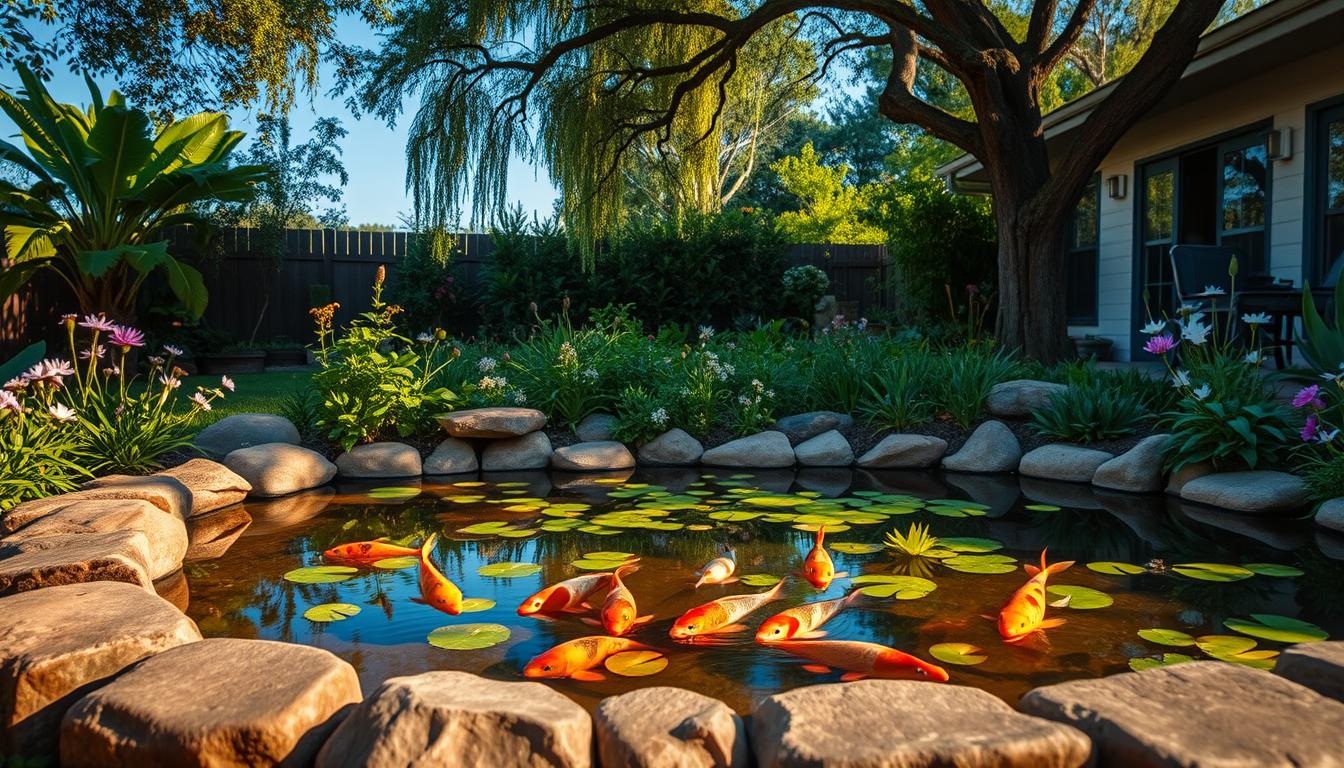
Transform a tight yard into a calm water feature that adds sound, reflection, and wildlife without a big installation. Compact backyard ponds prove you don’t need a pool to bring movement and charm to your garden. A simple barrel container with a liner and a submersible pump can cost about $50, while natural stone finishes may raise the budget.
Good design makes a compact feature feel intentional. Concealed edges, balanced proportions, and a few well-placed stones create a polished look at home. Even a single well-planned water element can become the focal point of an outdoor space.
This guide covers patio and balcony builds, above-ground and in-ground styles, plant and fish options, and practical planning topics like liner choice and pump sizing. Expect DIY-friendly options and inspirations drawn from real gardens to match your style and maintenance needs.
Key Takeaways
- Compact water features can fit tight yards and boost garden style.
- Entry-level builds start near $50; natural stone can increase costs.
- Design choices—edges, stones, scale—make small installations look intentional.
- Guide covers patio, above-ground, and in-ground solutions plus maintenance.
- Pick a feature that matches your yard size and upkeep preferences.
Inspiration First: What a Backyard Pond Brings to a Small Outdoor Space
A single water element can transform a compact yard into a lively, reflective garden hub. It draws dragonflies, frogs, and birds and makes nearby plants feel fresher. Even one modest preformed pond can become the focal point you see from inside the house.
The sensory pull is immediate: rippling water, mirrored light, and a cooling effect that helps the area feel larger. A gentle waterfall adds motion and masks street noise, creating a more private outdoor space.
Style choices range from naturalized gardens with stones and water lilies to crisp, geometric designs. Pick a location with both sun and shade to help plants thrive and reduce algae over time.
- Wildlife: attracts beneficial species and boosts garden life.
- Sound: moving water softens urban noise and soothes the senses.
- Fit: consider existing plants, stones, and sightlines for a cohesive look.
Think about fish like koi or goldfish only if depth, filtration, and winter care suit your plan. Start a vision board to collect pond ideas and refine style, location, and materials before you build.
Small Pond Ideas for Patios and Balconies
You can craft a tidy water element on a patio or balcony with just a watertight container and a quiet pump. This approach adds movement and a calming soundscape to a compact outdoor area without heavy work.
Container patio ponds with submersible pump for gentle circulation
Use a sealed tub, glazed planter, or recycled barrel fitted with a thin liner and a compact submersible pump for steady circulation. Brands like Empress of Dirt show how a simple pump keeps water clear and stops stagnation.
Whiskey barrel pond kits: compact, rustic, and budget-friendly
Whiskey barrel kits offer a rustic look and save floor area on a deck. You can often find kits or used barrels at season-end sales; avoid tiny, decorative doll-sized versions. A DIY build with a reused barrel, liner, and small fountain pump can cost around $50.
Desktop or tabletop micro-ponds for tiny outdoor rooms
For balconies or near a back door, try a tabletop water bowl with a tiny fountain head. Add dwarf lilies, floating plants, or a marginal in a small container to create a garden touch at arm’s reach.
- Place containers where a structural load is safe and drainage is considered.
- Pick quiet pumps to keep the water sound pleasant and non-splashing.
- Top up water, rinse pump screens, and remove debris regularly.
- In cool months, move delicate plants indoors or reduce pump flow.
- Finish with pebbles or a sculptural accent to elevate the design.
Above-Ground and Raised Mini Ponds
Above-ground builds let you add a water feature without excavation or permanent changes to the ground. They suit renters and anyone who wants a reversible structure. Stock tanks, framed tubs, and repurposed vessels scale to many backyard sizes and styles.
Stock tank options: galvanized or plastic
Stock tanks come in plastic and galvanized metal. Metal looks attractive and ages well but usually costs more and weighs more.
Plastic is lighter and cheaper; both need a thin protective liner layer to ensure they are watertight. Empress of Dirt recommends checking seals and fittings before filling.
Framed raised builds that double as seating
Build a raised structure from blocks, wood, or landscaping stone so the top coping serves as casual seating. This maximizes usable space and creates a tidy edge for planters.
Repurposed vessels: hot tubs, cisterns, and barrels
Old hot tubs or cisterns make charming vessels when relined. Clad them with stone veneer, wood, or pavers to finish the look and protect materials.
- Leveling: stabilize the base to avoid uneven waterlines and spoiled edges.
- Trim: add stones or rocks along the rim and integrate planters to soften the structure.
- Plumbing: plan discreet hose and pump paths over edges; detachable spillways allow modular changes.
- Maintenance: above-ground ponds are easier to drain, clean, and winterize than in-ground builds.
In-Ground Small Ponds: Forms, Liners, and Natural Edges
Digging in gives you a low-profile water feature that reads as part of the landscape. An in-ground build can appear larger and more permanent when the edges and stonework are well detailed.
Preformed inserts for quick installs
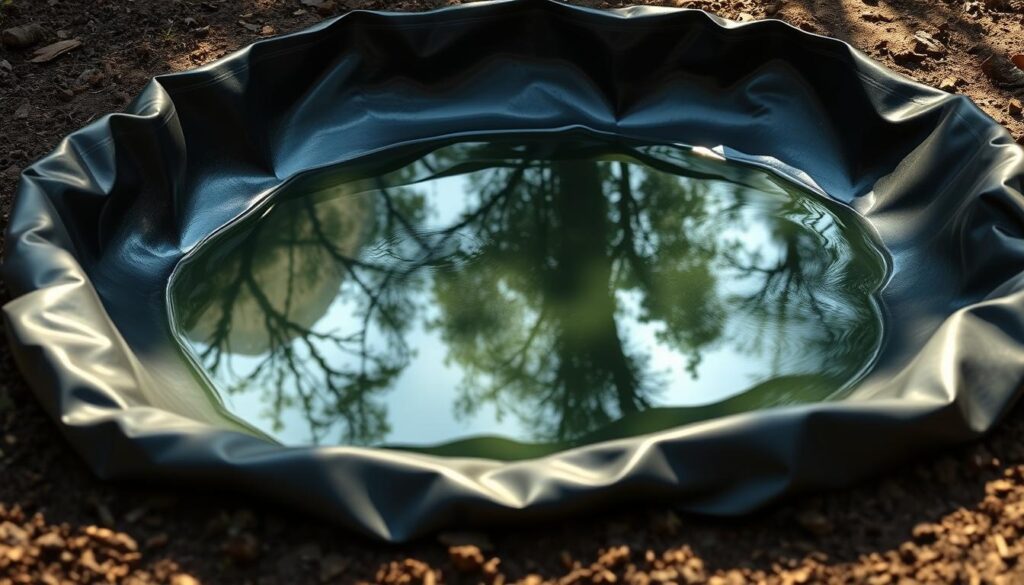
Preformed pond inserts are reliable for a weekend install and often attract wildlife after planting, as reported by Empress of Dirt. They save time and give a consistent structure and look.
Flexible liners and excavation basics
Flexible liner options let you craft round, oval, or geometric shapes to suit your garden. Add an underlay to protect the liner from roots and stones, then smooth the liner as you fill with water.
Trace the outline, dig stepped shelves, and include a deeper zone. A depth of 18–24 inches works well; deeper pockets help koi and aid seasonal stability.
Rock edging to conceal the liner
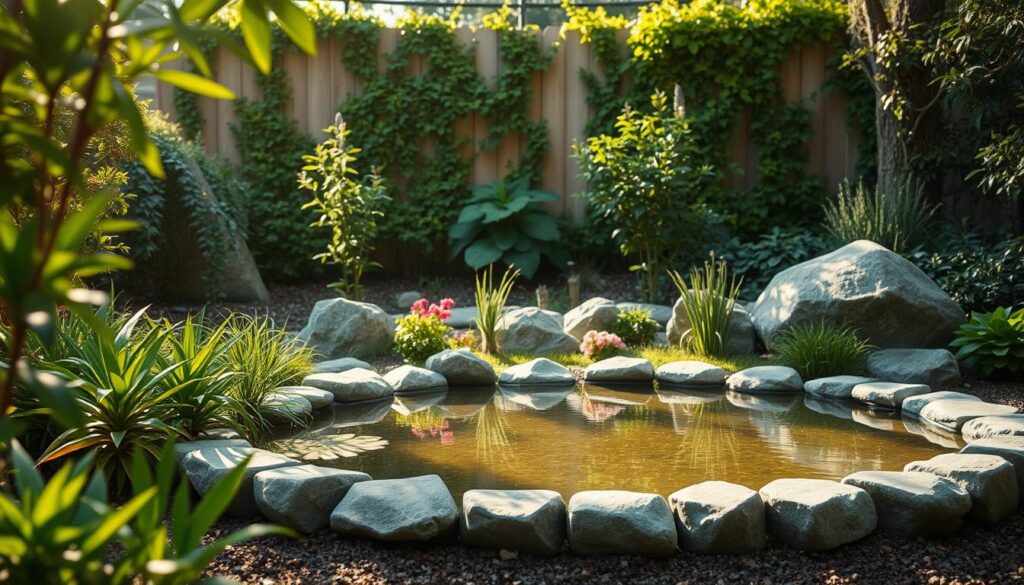
Use flat rocks and stone coping to hide liner edges and soften the border. Plan materials for surrounding paths and rocks so the entire structure feels cohesive.
- Compare preformed inserts versus custom liner builds.
- Install a discreet conduit for pump lines to support future waterfalls.
- Check ground conditions; soil and pond water stability affect liner performance.
Waterfall and Moving Water Ideas for Small Ponds
Gentle motion makes a backyard water feature feel alive without loud splashing or heavy construction. Use modest drops and pebble-overflows to create a pleasant sound that won’t drive guests away. Moving water also helps reduce algae by raising oxygen levels and cutting stagnation.
Compact spillways and pebble-overflows for sound without splash
Choose low-profile spillways or a pebble-overflow tray to produce a soft sheet of water. They are ideal near seating because they limit spray and keep surfaces dry. Dark pebbles and flat stones channel water and create a natural look at a small scale.
Tiered raised beds feeding a lower basin
Gravity-fed tiers work well when raised beds cascade into a lower basin. Conceal pump lines behind rock or soil for a clean edge. Test flow with a temporary hose to fine-tune direction before finalizing placement.
Barrel trickles and fish spitters for motion and play
A barrel-to-basin trickle or a playful fish spitter adds aeration, movement, and charm. These modest features suit stock tanks and raised containers, and they pair well with variable-speed pumps or timers for evening control.
“Even one small waterfall can become the signature focal point that ties the entire design together.”
- Pump sizing: pick a pump rated for the lift and flow you want; too powerful units make noise.
- Siting: keep waterfalls out of prevailing wind to avoid splash and water loss.
- Finish: use dark pebbles and flat coping stones to form clean, natural channels.
Fish or No Fish? Koi and Goldfish Considerations in a Small Pond
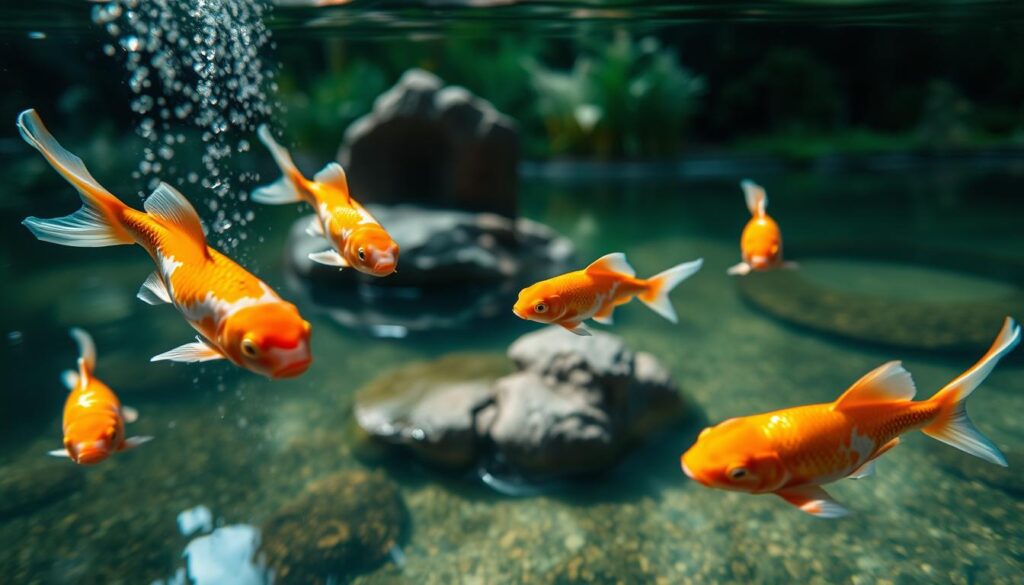
Fish bring motion and life, but they also add long-term care needs. Decide early if you want to include animals, since stocking affects size, depth, and filtration choices.
Minimum depth, winter care, and pump use to protect life
A practical baseline is about two feet of depth if circulation runs year-round. Deeper pockets are better in cold climates and offer refuge from predators.
In winter, make sure circulation continues and consider a floating de-icer so ice does not seal the surface. Dormant koi and goldfish need open water to exchange gases.
Right stocking levels to keep water quality stable
A conservative rule: allow roughly 2 cubic feet of water per fish. This helps keep pond water balanced and reduces filtration strain.
Koi grow large and demand more volume and stronger filters than goldfish. Match species to your backyard feature and your willingness to maintain equipment.
- Use a steady pump to improve oxygenation and prevent stratification; route cords safely.
- Acclimate new stock slowly and watch for stress or parasites.
- Feed sparingly—overfeeding fouls water fast and burdens mechanical filtration.
- Add plants and biological filters to complement mechanical systems for healthier water.
Planting Your Water Garden: Lilies, Marginals, and Oxygenators
A layered planting plan brings texture, shade, and cleaner water to a compact water garden. Use a mix of floating, marginal, and submerged species to balance shade, oxygenation, and nutrient uptake. Even a few well-chosen plants can attract wildlife and frame the view.
Water lilies and floating plants for shade and bloom
Water lilies and floaters shade the surface, lower temperatures, and block excess light that fuels algae. Add 1–2 lily crowns in containers so they do not overrun the basin.
Marginal zones for structure and filtration
Use stepped shelves for marginals like pickerel rush or iris. These zone plants filter nutrients, hide liner edges, and soften hard lines.
- Balance lilies, floaters, marginals, and submerged aquatic plants for oxygenation and clarity.
- Choose container baskets to control spread and simplify maintenance in lined ponds.
- Rotate and divide per season to keep growth in check and preserve sightlines.
- Match bloom colors and foliage textures to the surrounding garden.
- Consider low-voltage underwater lights to highlight blooms at night without stressing wildlife.
Tip: Fish and invertebrates benefit from plant cover for shelter and feeding, making the feature feel alive and balanced.
Plan Before You Dig: Location, Size, Depth, and Materials
Before a shovel hits the ground, map sun, shade, and sightlines to make the build work with your garden. Choose a location with both sun and shade to support plants and limit algae. Avoid heavy leaf fall areas and watch how water runs across the backyard after a storm.
Make sure to mark the area with a garden hose so you can visualize size and viewing angles from the house. Check clearances, access for tools, and where power will reach for pumps or lights.
Dig to about 18–24 inches and add a deeper pocket for thermal stability or fish habitat. Install an underlay, then a pond liner and adjust it while filling to remove wrinkles.
Materials matter: preformed forms speed installation, flexible liner allows custom shapes, and underlay protects against roots and stones. Conceal edges with flat stones or coping to create a natural finish.
Note ground conditions and local utilities before excavating. Document measurements and slopes to size the pond liner correctly and plan safe routing for hoses and cables.
- Integrate pathways and beds so the structure feels part of the area.
- Plan maintenance access: skimmer reach, plant care, and netting placement.
- Account for runoff and splash zones so nearby hardscape stays stable.
Budget and Materials: What a Small Backyard Pond Can Cost
Cost hinges on choices like stone work, pump power, and how elaborate the waterfall or edging will be.
Tiered budgets help match ambitions to your yard. An entry-level patio barrel build with a liner and a quiet pump can start around $50. A 4×6-foot in-ground form with basic equipment usually runs a few hundred dollars.
An 8×10-foot garden installation with a liner kit, a 2000 gph pump, waterfall, rocks, plants, and goldfish commonly ranges from $2,000 to $5,000. Professionally built projects often begin near $10,000 and can exceed $20,000; very large installs may top $100,000.
Material choices shift the scale fast. Natural stone and stones give a premium finish but raise costs. Concrete or block structures add labor yet offer crisp lines. Pond liner kits on sale cut procurement work and cost.
Practical tips:
- Allocate funds for reliable pumps, underlay, and electrical safety to protect the ground and prevent leaks.
- Source rocks locally or buy used materials to lower costs while keeping a high-end look.
- Build a contingency for nets, plant baskets, and algae control.
“One of the biggest variables is the amount and type of stone you choose.”
Remember: koi change size and filtration needs, so factor animal care into long-term budgets.
Design Touches That Elevate Style in Any Yard
Well-chosen finishes and lighting turn a modest water feature into a crafted focal point that reads as intentional design.
https://www.youtube.com/watch?v=fLc1jGzGaYA
Natural stone, pavers, and hidden edges for a polished look
Use natural stone and mixed-size stones to blur the boundary between hardscape and water. Let a few stones extend into the basin to soften the transition and create a cohesive look.
Conceal liner with coping stones or plant overhangs to keep the edges clean. Raised builds against walls read refined when pavers and consistent materials mirror nearby paths or the house. Repeat materials from the home or patio so the element feels purpose-built.
Underwater and perimeter lighting for evening ambiance
Underwater LED spots highlight ripples and waterfalls and add depth after dusk. Use perimeter lights to wash nearby plants and pathways for a balanced night look.
- Mix warm and cool tones to match your backyard mood—warm for cozy, cool for modern.
- Scale fixtures to the water’s size so lights and stones stay in proportion.
- Integrate concrete or paver elements to tie the feature to adjacent surfaces and improve flow.
- Choose low-profile spillways or narrow rills for a contemporary edge that pairs with straight lines and restrained planting.
- Add a sculptural accent or fish spitter to give personality without overpowering the design.
Tip: Simple choices—mixed stone sizes, hidden liner, and layered light—lift a compact water garden into a polished, long-lasting element of the yard.
Maintenance Made Simple: Clear Water, Algae Control, and Seasonal Care
A few steady tasks make maintaining healthy pond water surprisingly easy. Keep water moving with the right recirculating pump to cut algae and stop stagnation. Place the feature where sun and shade balance to reduce clarity problems over time.
Weekly habits matter. Skim debris, rinse pump screens, and verify flow so equipment performs reliably. Make sure filters and intakes are easy to reach for quick cleaning.
- Trim plants and remove decaying leaves to limit nutrient buildup that feeds algae.
- Use barley straw as a gentle preventive measure to slow algae growth instead of harsh chemicals.
- Feed fish sparingly and test pond water periodically to stay ahead of problems.
- Net leaves in fall, perform partial water changes in spring, and prune aquatic plants to keep balance.
In winter, keep a small opening in ice with a de-icer and avoid shutting down essential circulation to protect fish. Moving water also deters mosquitoes in your backyard. Consistent, light-touch maintenance yields clearer water and a healthier, more enjoyable feature year-round.
Conclusion
Start with one focused project and watch a compact feature transform your backyard into a calm outdoor space. A single vessel or a whiskey barrel with a small pump can add motion, sound, and wildlife for about $50.
Thoughtful planning—sun and shade, underlay, liner, and neat edges—makes installation smoother and the finish feel natural. Even a small pond inlined well will read as intentional when paired with stone and plants.
If you keep fish, plan depth, steady circulation, and conservative stocking to protect water quality year-round. Add lighting and hidden coping to lift the look into something that feels high-end.
Keep maintenance simple: skim, clean pump screens, and balance plants so algae stays in check. Pick pond ideas that suit your gardens and your time.
There’s a solution for every yard, from balconies to suburban plots. Choose one project, use the planning checklist, and expand with a waterfall or new planting as confidence grows.
You Might Also Like...