
Should You Add a Fountain to Your Pond?
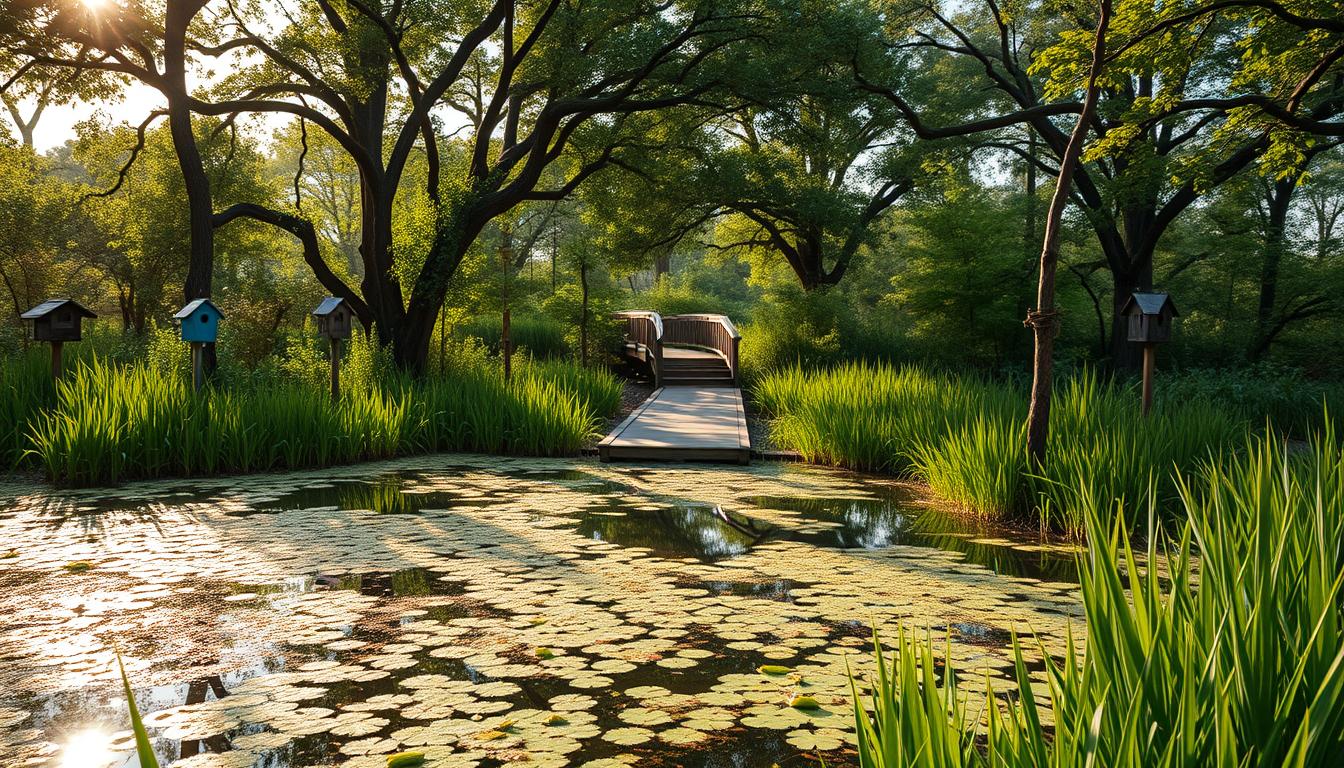
An inviting backyard water feature can brighten outdoor life, but it can also attract unwanted pests. Simple, targeted steps keep your pond healthy and make evenings outside more comfortable.
Public health matters: these tiny insects can spread serious illnesses across the United States, so prevention is about safety as well as comfort. The most effective way is to treat the source by keeping water moving and removing nearby standing pools.
Practical methods include adding aeration or a fountain, trimming shoreline vegetation, and using fish or BTI-based products that are safe for fish and plants. When combined, these approaches protect the environment and reduce breeding areas without harming aquatic life.
This guide focuses on clear, science-backed steps you can use now, plus signs that call for professional help. Expect straightforward timelines tied to the insect life cycle and simple ways to track progress.
Key Takeaways
- Keep water moving to discourage egg laying and reduce nuisance insects.
- Remove or empty nearby standing containers and tidy shorelines.
- Use fish or BTI treatments that are safe for plants and wildlife.
- A balanced approach improves pond health and outdoor comfort.
- Act promptly—these steps cut risks to health and property.
Why Mosquitoes Target Ponds and How Their Life Cycle Informs Control
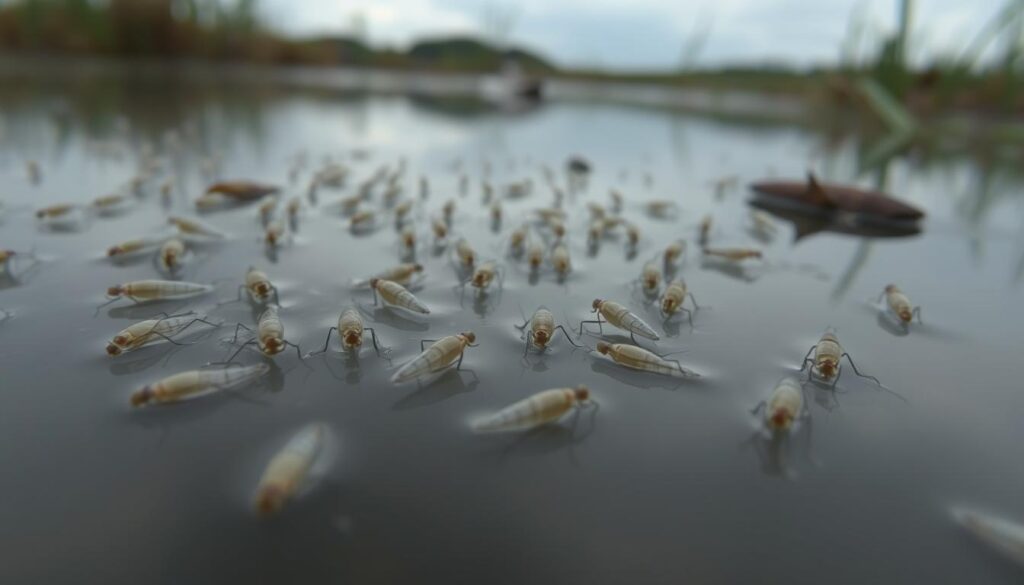
Female adults seek calm, nutrient-rich surfaces where they can deposit eggs on the surface of fresh, quiet water. Those eggs hatch fast—usually within 1–2 days—so early checks are crucial.
From eggs to flying adults: timelines that matter
After hatching, mosquito larvae—often called “wigglers”—stay near the surface for about 4–14 days as they feed on algae and tiny organisms. They molt several times, then become pupae for roughly 1–4 days before emerging as adults.
Why still, organic-rich areas make good habitat
Stagnant water and high nutrient inputs boost algae growth and suspended food, raising larvae density. Even small, sheltered coves of a pond can sustain a full life cycle.
“Interrupting the surface and adding movement targets eggs and larvae most effectively.”
- Act within a week: short development windows make quick interventions effective.
- Monitor after rain: eggs and larvae can surge in warm, wet spells.
- Remove organics: lower nutrient growth and larvae food sources.
Practical Mosquito Control Pond Steps to Prevent Breeding
Start with simple habitat fixes that keep surfaces from going still and reduce nearby pooling. These actions help maintain pond health and lower the chance that female insects will lay eggs on quiet water.
Keep the surface moving
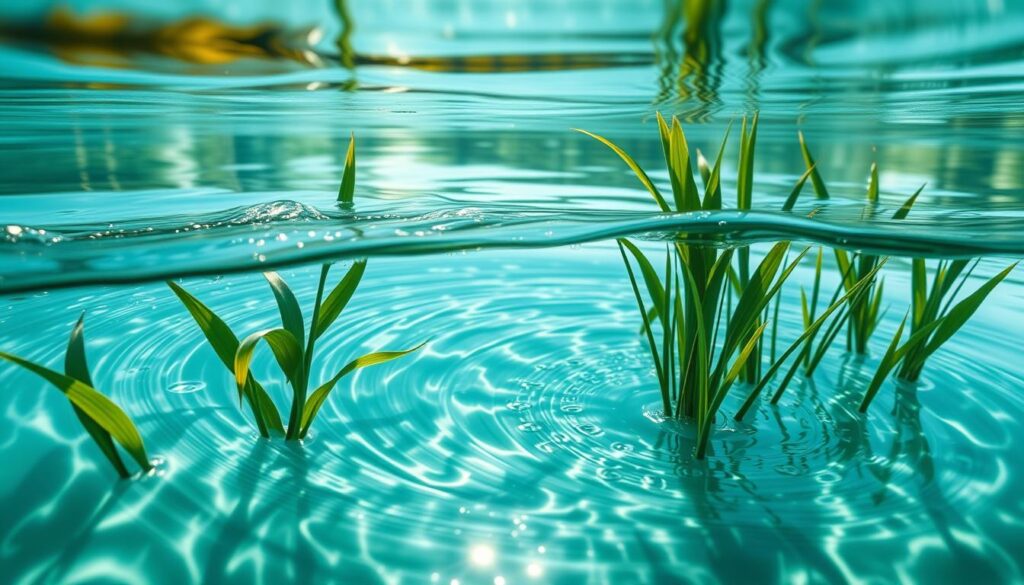
Install aeration or a decorative fountain sized to your pond. Moving water raises oxygen and breaks stagnant water zones that larvae need.
Eliminate nearby standing spots
Audit gutters, buckets, ditches, troughs, and birdbaths. Dump or refresh them often to shrink local breeding grounds.
Clean edges and trim growth
Rake away leaf litter, remove organic debris, and cut back overgrown vegetation at the water’s edge. Open shoreline airflow to reduce shaded shelter areas.
Improve circulation and manage algae
Reposition diffusers or add a small pump to quiet corners. Combine skimming, nutrient reduction, and targeted algaecide when needed to limit larval food and improve clarity.
“Move water, clear edges, and remove nearby pools — simple methods that protect birds, fish, and people.”
- Inspect after heavy rain and address new pooling within days.
- Keep troughs and pet dishes refreshed regularly.
- Size equipment to match pond area for best results.
Biological and Bacterial Methods That Are Safe for Fish, Plants, and Birds
Natural predators and targeted bacterial options offer safe ways to reduce larvae while preserving fish, plants, and birds in and around your water feature.
Stock native, top-feeding fish such as predacious minnows or other regionally appropriate species that actively eat young aquatic larvae in the water column. Choose local fish to protect the environment and avoid disrupting native populations.
Use BTI products for targeted treatment. Options like Summit mosquito dunks, Mosquito Bits, and Microbe-Lift Liquid Mosquito Control contain Bacillus thuringiensis israelensis (BTI). These specifically target mosquito larvae and can provide up to 30 days of protection per application when used as directed.
Combine approaches: fish remove larvae in open areas while BTI treats sheltered pockets that fish can’t reach. Dose by the label, monitor larvae weekly, and reapply within the recommended interval to sustain suppression of the local population.
“Protect wildlife by avoiding chemical sprays near water—biological methods keep plants, fish, and birds safe.”
- Keep a simple log of applications and observations to fine‑tune timing.
- Reduce algae and organics to improve BTI contact with larvae.
- Avoid chemical insecticides near the water to preserve long‑term ecosystem health.
Conclusion
Simple, regular steps—movement, cleanup, and targeted biological treatment—shrink habitat and reduce pest pressure quickly.
Keep water moving to make the surface unattractive for females that lay eggs. Scan surrounding grounds after rain and on warm days to find and remove small pools that can support rapid breeding in a few days.
Trim shoreline growth and remove leaf litter to cut shaded resting areas. Manage algae and nutrients to limit larval food and support long-term environment and health.
Use safe biological options like BTI (Dunks, Bits, or liquid) and stock recommended fish to eat larvae. Avoid chemical insecticides near the water to protect plants, birds, and beneficial insects.
Combine movement, cleanup, BTI, and fish, and keep brief notes on what works. A layered plan maintains function and aesthetics while reducing mosquito population and keeping the area more enjoyable.
You Might Also Like...