
How to Prevent Mosquitoes in Your Pond
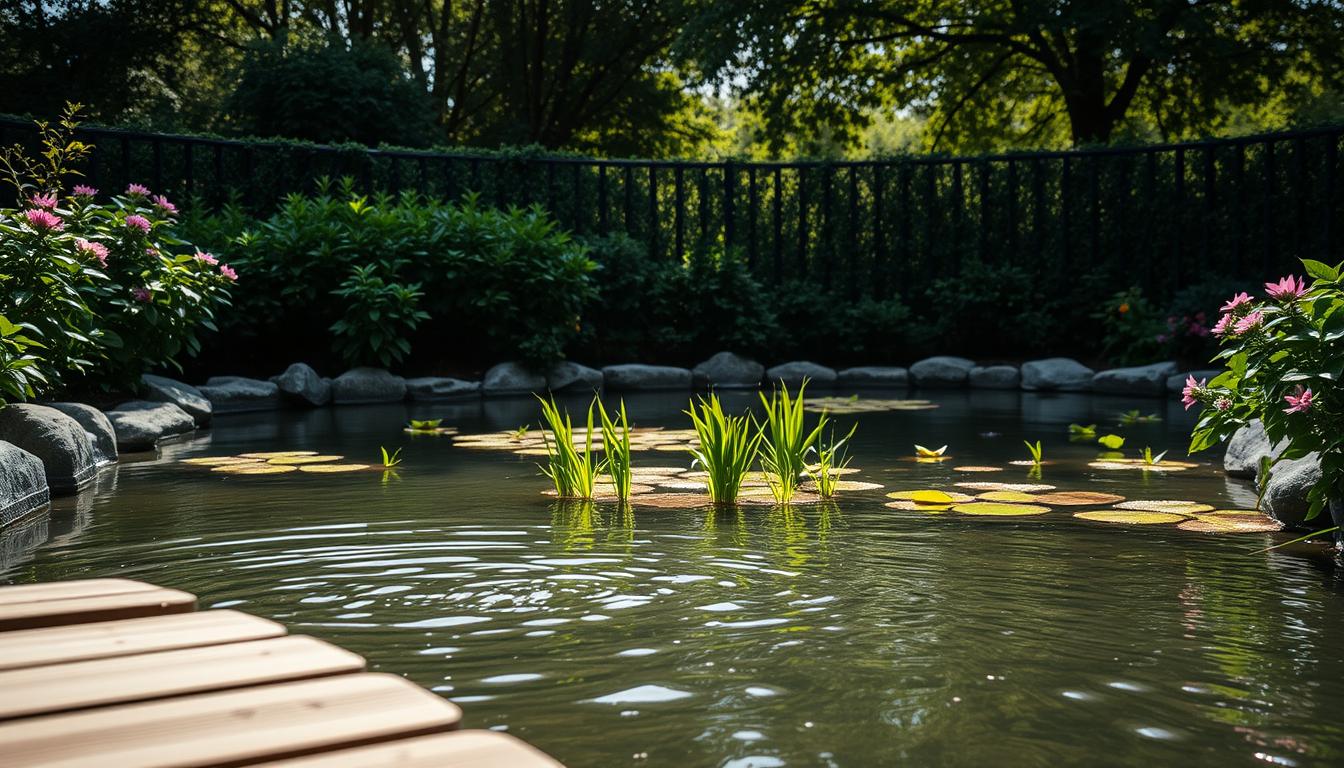
Transform your outdoor space with a simple, reliable plan that covers planning, building, planting, stocking fish, and routine care. This guide aims to give U.S. DIYers clear steps and realistic expectations for a successful project.
Start by defining purpose, location, shape, and size. A larger feature supports more fish and plant variety. Curved edges feel natural; geometric lines read modern. Position the site in partial sunlight to balance algae control and plant growth, and avoid tree roots and buried utilities.
At a high level, you will mark the outline, excavate with plant shelves, lay underlayment and a flexible liner, add rocks and gravel, install pump and filtration, and fill slowly while checking levels and leaks. Plan for safety: call 811, confirm permits and setbacks, and add a GFCI outlet for equipment.
Expect improved curb appeal, soothing water sounds, and habitat for wildlife. Budget around $3,360 on average, with optional features like waterfalls and lighting adding extra cost. Follow the timeline: add plants first, then introduce fish after proper acclimation.
Key Takeaways
- Define purpose, location, size, and shape before digging.
- Follow staged build steps: outline, excavation, liner, rockwork, pump, fill.
- Prioritize permits, utility checks (call 811), and GFCI power.
- Choose liners, underlayment, and energy-efficient pumps carefully.
- Manage water quality with circulation, plants, and proper filtration.
Before You Dig: Plan the Perfect Pond Design and Purpose
Good planning saves time and money. Clarify the main goal for your water feature—decorative, fish habitat, or a balanced ecosystem—then let that purpose guide depth, filtration, and plant choices.
Define goals and basic specs
Choose purpose first: an ornamental pond needs less depth and light control, while a fish-focused pond requires 2–4 feet depth and stronger filtration. A full ecosystem design adds biological filtration and more plant diversity for natural balance.
Shape, size, and circulation
Prefer larger footprints when possible—bigger volumes stabilize temperature and water chemistry. Circular or gently curving shapes improve circulation and reduce dead zones. Sketch the shape and calculate rough volume early to size pumps and filters.
In‑ground vs. above‑ground
Decide by climate and soil. In‑ground builds suit cold regions if dug below the frost line. Above‑ground systems work best in warm areas or compacted clay and often come as water garden kits rather than full fish habitats.
- Plan shelves for marginal plants and access.
- Reserve deep zones for koi or wintering fish.
- Think about waterfalls or streams early—they change liner size and pump needs.
Choosing the Right Location in Your Backyard
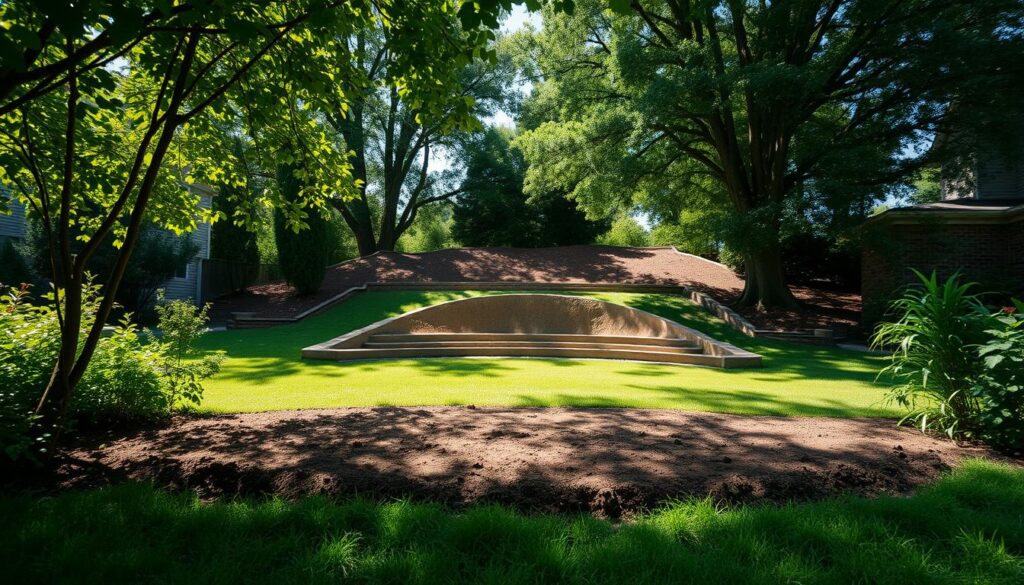
Choose a site that balances sun and shade to keep water clear and plants healthy. Aim for about 4–6 hours of direct sun so flowering plants do well without inviting persistent algae or overheating.
Sun, shade, and temperature
Too much sun fuels algae; too much shade reduces plant flowering. Partial sun across the day supports both fish comfort and plant growth.
Runoff, roots, and leaf litter
Avoid low spots where runoff carries nutrients and pollutants into the water. Those inputs overload filters and harm water quality.
Sit the feature away from large trees to cut leaf drop and prevent roots from puncturing liners over time.
Visibility, utilities, and access
Place the water feature within view of patios or living areas so you enjoy it daily. Position near a hose bib and a GFCI outlet about 10 feet away for safe, easy service.
Choose firm, gently sloped ground to simplify digging, leveling, and edging. Keep paths clear so routine maintenance and equipment checks stay quick and safe.
- Partial sun: target 4–6 hours for plants and algae control.
- Avoid low areas: prevent runoff and contamination.
- Stay clear of trees: limit leaves and root intrusion.
- Nearby utilities: GFCI outlet and hose access make care simpler.
Call 811 to mark buried utilities before you dig—this simple step prevents dangerous, costly mistakes and keeps your project on track.
Permits, Safety, and Utilities Prep for U.S. Homeowners
Before you dig, check local rules and plan safety details to avoid delays and fines. This short guide explains permits, electrical needs, and winter readiness so your project stays safe and legal.
Call 811 and confirm local rules
Call 811 to have underground utilities marked before any excavation. Verify setback rules, fencing requirements, and whether permits are required for excavation, electrical work, or specific pond depths.
Safe electrical planning
Plan a GFCI outlet about 10 feet from the water feature and route cables in concealed conduit. Use weatherproof boxes, drip loops, and outdoor‑rated components to protect cords from damage and moisture.
Depth, frost line, and winter readiness
In cold zones, dig at least one foot below the local frost line and include a deep zone for overwintering fish and equipment. Deeper areas also help stabilize summer water temperatures.
- Document permits and inspections for records and resale.
- Design service loops and accessible shut‑offs for the pump and lighting.
- Confirm regional frost depth through municipal resources before finalizing depth.
Materials and Tools You’ll Need
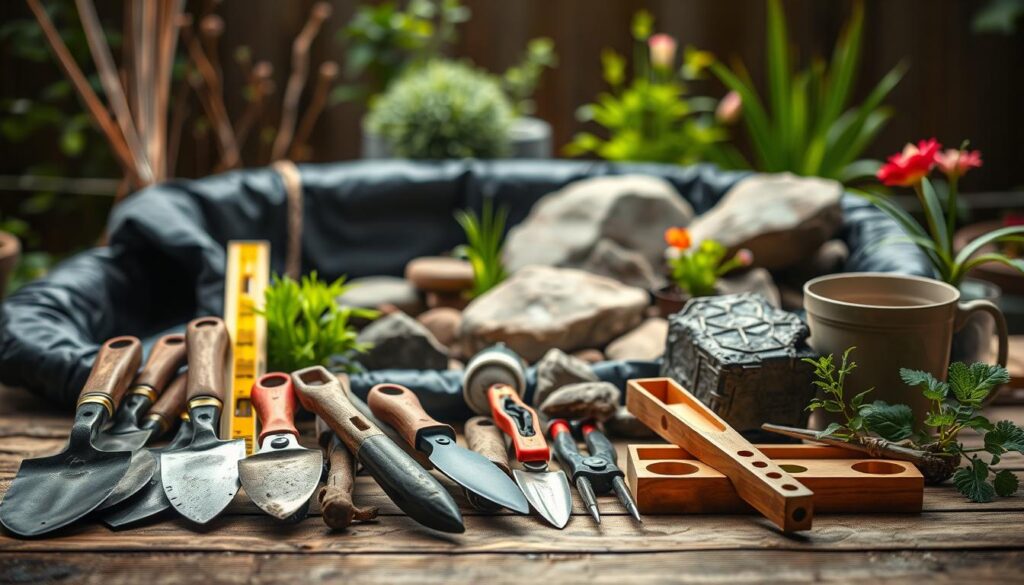
Before you break ground, confirm the parts and gear you’ll need to finish each build step. A short materials list and the right tools keep the project on schedule and reduce mistakes.
Core materials
- Liner: flexible EPDM or a matched preformed shell for your design.
- Underlayment: geotextile cushion to block punctures and extend liner life.
- Pump and compatible filter sized for your pond volume and flow needs.
- Structural media: rocks and gravel for edging, concealment, and bacteria surface.
- Accessory parts: hose, fittings, valves, and GFCI-rated power solutions.
Essential tools and safety
- Long-handled shovel, rake, and wheelbarrow for digging and moving spoil.
- A reliable level and a pond skimmer/net for final grading and debris control.
- Protective gear: gloves, eye protection, and sturdy footwear for safe work.
Pro tip: Stage all materials near the work area and verify pump flow, hose diameters, and fitting sizes before you start. This avoids surprises and keeps the build efficient—everything you’ll need to proceed smoothly.
Marking, Excavation, and Shaping the Pond Basin
Map the feature’s edge on the ground using a garden hose or spray paint to visualize the finished area and confirm the size and shape.
Transfer the design and dig in stages
Outline first: walk the line and adjust curves until the footprint feels right.
Work center-to-edge when digging. Remove soil with a shovel and wheelbarrow and keep spoil piles organized.
Shelves, depths, and level checks
Create multiple shelves at planned elevations to hold plants and support rocks. Wider shelves near viewing sides make maintenance easier.
Reserve a deep refuge for fish; deeper areas help with summer coolness and winter survival. Check level around the perimeter so the water will sit even and the liner won’t be exposed.
Finish the basin
Smooth and gently compact shelf and basin surfaces to protect the liner and keep heavy rocks stable. Dry-fit a few key boulders during work to confirm shelf widths and stability.
Pro tip: separate good topsoil for later landscaping and remove sharp debris from the bottom to reduce puncture risk.
“A clean, well-shaped basin makes liner fitting and long-term maintenance far easier.”
- Transfer design with hose or paint to confirm footprint
- Dig center deepest first, then form plant shelves
- Keep bottom free of sharp objects and compact surfaces for rock stability
Liner and Underlayment: Protecting and Sealing Your Pond
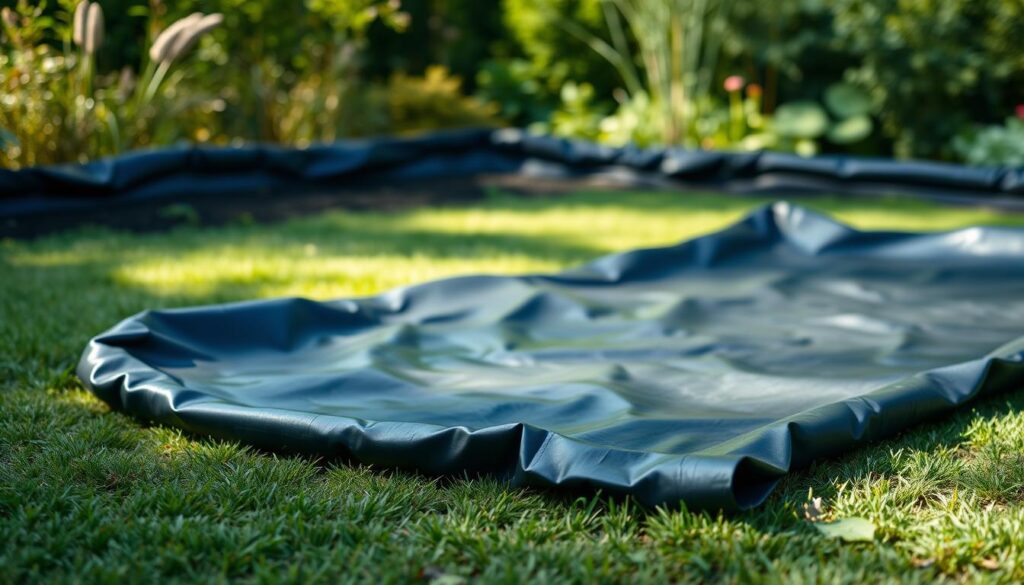
A careful underlayment and well-fitted liner are the most cost-effective defense against punctures. Start by covering the entire basin and all shelves with geotextile underlayment to cushion the liner from rocks and roots.
Underlayment first: cushioning against punctures
Place underlayment over the whole bottom and shelves and add a thin sand layer in very rocky spots. This extra layer stops sharp points from reaching the liner and evens minor irregularities.
EPDM vs. PVC/HDPE: durability, flexibility, and repairability
EPDM is flexible, long-lasting, and easier to patch if damaged. PVC and HDPE are budget-friendly but stiffer and harder to shape or repair.
How to calculate liner size and fit it wrinkle-free
Measure maximum length and width, then add twice the maximum depth to each dimension plus an edge allowance for anchoring.
- Length = max length + 2 × max depth + edge allowance
- Width = max width + 2 × max depth + edge allowance
Keep the liner clean during fitting, pre-warm EPDM in the sun for easier shaping, and fill slowly. Pull and smooth wrinkles outward and use gentle folds around shelf corners rather than tight stretching.
Check water level at a partial fill to confirm even edge elevations before placing rocks or gravel. A proper fit now saves time and materials later.
Pumps, Head Height, and Filtration Basics
Good flow design keeps water clear, fish healthy, and features reliable. Start by sizing the pump to turn over the total volume about once per hour. This simple rule supports filtration and stable chemistry.
Selecting pump size and energy choices
Pick a pump that meets your calculated flow after head loss. Modern low‑voltage DC pumps are energy efficient and offer adjustable flow for seasonal tuning.
Head height, pipe runs, and waterfall flow
Every 1 meter (~3.3 ft) of lift adds head and reduces flow. Long pipe runs and narrow fittings also cut performance, so check the pump curve for real output.
- A 30 cm (12 in) wide waterfall weir often needs ~4,000 LPH; double the flow for a stronger look and sound.
- Plan unions and valves at the equipment for easy servicing and flow adjustments.
Mechanical vs. biological filtration
Skimmers, pads, and baskets remove leaves and solids. Bog filters and bio media host bacteria that break down ammonia and nitrite and help deliver oxygen for fish.
“Combine a skimmer at one end with a biofilter discharge on the opposite side to create steady circulation.”
Elevate submersible pumps on small blocks to avoid silt intake and keep water available for fish if a line fails. UV clarifiers clear green water fast, but robust plant and biofiltration give low‑maintenance clarity long term.
Backyard Pond Installation: Step-by-Step Build Process
Work in clear stages so materials settle correctly and risks are caught early. Follow a repeatable sequence to save time and avoid rework.
Place and secure liners, then add rocks and gravel
Underlayment first: lay the geotextile over the whole basin with ample overlap. Drape the liner on top, leaving extra at the edge for anchoring.
Spread a thin layer of rinsed gravel across the bottom pond area to protect the liner and stabilize plants. Stage larger rocks on shelves to conceal edges and form stable terraces.
Install pump, filter, and optional skimmer; verify connections
Set the pump on a small platform at the deepest point and connect to the filter with unions for easy service. Route hoses with gentle bends and protect fittings from scrapes.
- Use unions and accessible valves for later maintenance.
- Rinse rocks and gravel to reduce initial cloudiness and avoid clogging mechanical filters.
- Keep extra fittings and a small tool kit near the equipment pad.
Fill slowly, check level and leaks, and adjust as needed
Fill the feature slowly to let the liner seat. Pause periodically to smooth wrinkles and confirm an even water level around the perimeter.
Watch for damp spots or rapid drops that signal wicking or minor leaks. Correct these before completing the fill.
“Introduce plants first and let the filter run for at least 24 hours before adding fish.”
Stage plant baskets onto shelves as water rises and keep the work area tidy to prevent debris from fouling the system.
Plants, Water Lilies, and Aquatic Design for Balance
Plan plant layout in zones so foliage and roots do the hard work of cleaning and cooling the water.
Three planting zones for natural filtration
Submerged oxygenators sit in the deep areas to add oxygen and absorb nutrients.
Marginal species belong on shelves to trap sediment and offer habitat.
Floating groups, like water lilies, shade the surface and reduce algae growth.
Coverage and planting strategy
Target about two-thirds plant cover and keep one-third open water for swimming and sightlines. This ratio stabilizes temperature and limits excess light.
Cluster groups by height and texture to create layered views from patios and indoor areas.
Choose natives and manage growth
Prefer native species for resilience and wildlife benefit. Use baskets on shelves for easy division and seasonal moves.
- Avoid invasives and check local rules for floaters.
- Fertilize heavy bloomers sparingly and thin plants yearly to keep flow clear.
“Diverse plantings create refuge for fry, frogs, and helpful insects that keep the system healthy.”
Adding Fish the Right Way
Stocking should match pond size and depth to protect fish health and water quality. Koi need at least 4 feet of depth and far more volume than goldfish. Goldfish do well in 2 feet without aeration, or 1.5 feet with a reliable pump.
Provide a winter refuge: reserve at least 10 square feet of deep-water area below the frost line for overwintering in cold U.S. climates. This helps fish survive cold months and stabilizes temperature swings.
Stocking and density
- Follow conservative density: aim for about one square foot of surface per inch of fish, and roughly 400 gallons per koi.
- Scale filtration and circulation as biomass grows to maintain oxygen and reduce ammonia spikes.
- Add fish in small groups over several weeks so the biofilter can mature.
Quarantine and acclimation
Quarantine new fish for about three weeks in a separate tank to catch parasites or disease. Use dedicated equipment and observe feeding and behavior before release.
Acclimate by floating the transport bag and matching temperatures within 15°F. Slowly mix small amounts of pond water into the bag over 20–30 minutes to equalize pH and chemistry.
“Target a pH near 7.2–7.8 and introduce fish when water is calm and 60°F or warmer.”
Feed lightly at first and monitor clarity and behavior to avoid uneaten food and nutrient spikes. Add supplemental aeration during hot spells or high biomass to protect oxygen levels and keep fish stress low.
Circulation, Waterfalls, Lighting, and Edging Details
Good flow and smart edging turn a simple water feature into a lively garden focal point. Prioritize circulation first, then add sound, light, and natural edges to complete the look.
Flow paths and jet placement
Place the pump return opposite the skimmer to create a main current across the water. Add small jets aimed along shelves and corners to sweep debris toward the skimmer.
Set a few jets low to lift fine particles so the skimmer can remove them. This reduces dead zones and keeps the surface clearer.
Water features and testing
Fountains and waterfalls add oxygen and pleasing sound while masking noise. Aim for a waterfall width that matches the visual scale of the area and test with a temporary weir before final rockwork.
“Seal and backstop waterfall edges so recirculated water returns to the basin, not the landscape.”
Lighting and safe wiring
Use solar accents or low-voltage fixtures on timers or photocells for simple evening ambiance. Run wires in conduit where heavy rocks could pinch cables and always use outdoor-rated components and GFCI protection.
Natural edges and rockwork
Blend mixed rocks, tucked gravel, trailing plants, and driftwood to blur the waterline. Lock larger rocks and wedge stumps between boulders to prevent shifting and add habitat complexity.
- Opposing inflow and skimmer = steady circulation
- Low jets lift debris toward the skimmer
- Test waterfall flow before setting rocks
- Conduit for lighting where rocks make access hard
Maintenance, Seasonal Care, Troubleshooting, and Costs
A steady maintenance plan saves time and preserves water quality year-round. Small, regular tasks prevent big repairs and keep fish and plants healthy.
Weekly and monthly routines
Set a simple routine to skim floating debris, empty skimmer baskets, and rinse mechanical pads. Test pH, ammonia, nitrite, and nitrate monthly and top off water as needed.
Clean or backwash filters on a schedule and keep a log of test results to spot trends early.
Seasonal tasks and tips
Spring: do a full clean, check pumps and seals, and restart equipment after a cold season.
Summer: watch for algae and heat stress; add shade plants and increase circulation. Fall: remove leaves and trim marginal plants to reduce winter waste.
Winter: in freezing climates, maintain a hole for gas exchange with an aerator or deicer and reduce feeding.
Troubleshooting common issues
- Algae blooms: boost plant cover and biofiltration first, improve circulation, then consider a UV clarifier if needed.
- Leaks: let levels stabilize, inspect the exposed line for folds or punctures, and patch the liner or adjust edging stones.
- Cloudy water: avoid overfeeding and overstocking; clean filters and rinse gravel to remove sediment.
Budgeting and long‑term costs
Plan for an average build cost near $3,360. Expect ranges: waterfalls and lighting $500–$4,300; plants $3–$45 each; liners $0.30–$7.40/sq ft; pumps $50–$2,000; rockwork $12–$33/ft.
“Design time-saving features—skimmers, jets, and accessible equipment—to reduce maintenance hours over the life of the feature.”
Include a contingency for rock delivery, electrical work, and seasonal cleanup to avoid surprises.
Conclusion
Thoughtful layout and durable materials turn a simple water idea into lasting garden value. Prioritize purpose, safe siting, and climate‑ready depth to ensure long‑term performance and enjoyment.
Quality underlayment and a reliable liner protect the system. Combine rockwork and plant groupings for a natural look that reduces upkeep. Size pumps to match head height and flow for clear water and healthy life.
Target two‑thirds plant cover and choose species suited to local climates for true ecological balance. Follow safe practices—call 811, use GFCI protection, and keep equipment accessible for fast service.
With careful planning, steady weekly habits, and seasonal checklists, you can complete this guide to building pond features in manageable time and create a serene garden centerpiece that lasts.
You Might Also Like...