
How to Prevent Mosquitoes in Your Pond
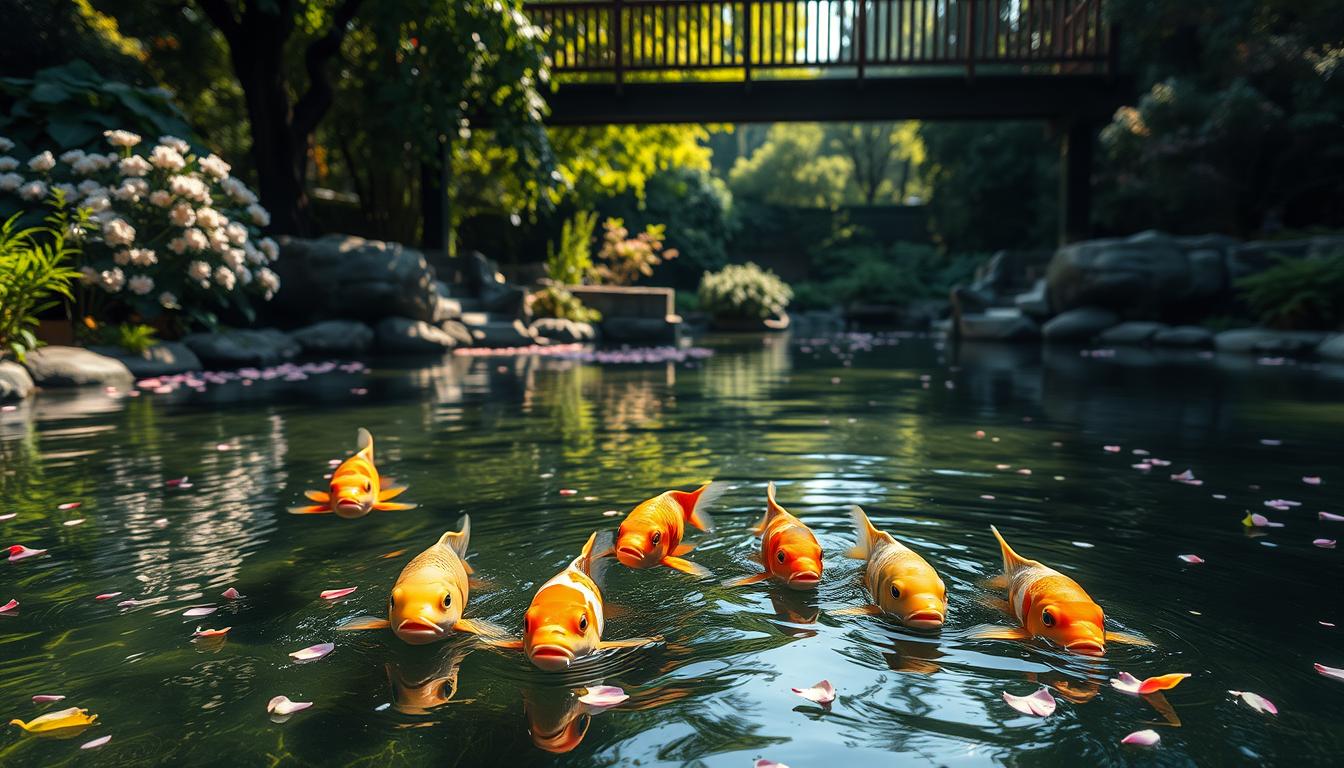
Spring restart is a time to be deliberate. As water warms, fish metabolism wakes up slowly. Start with easily digested food like wheat-germ and raise amounts only as activity and filters improve.
Timing matters: in cool, changeable weather feed during the warmest hours, roughly 10:00 am to 2:00 pm. Avoid meals within one hour of sunrise or sunset to help digestion and reduce waste.
Use the three-minute rule: offer food, let your fish eat what they can in three minutes, then remove leftovers. Stop feeding once water drops below 41°F and ramp up cautiously as temperatures cross each threshold.
Protect pond health: overfeeding raises ammonia, nitrite, and nitrate. Test water regularly and be ready to change at least 50% of the water or boost aeration if toxins spike.
Key Takeaways
- Begin spring care with a gentle restart using wheat-germ or multi-season food.
- Feed during late morning to early afternoon in cool, unstable weather.
- Apply the three-minute rule and remove uneaten pellets to protect water quality.
- Obey temperature thresholds—stop under 41°F; increase feedings as water warms.
- Monitor ammonia and nitrite and perform partial water changes if levels rise.
What Changes in Spring: Understanding Metabolism, Water, and Activity
As days lengthen, your pond’s life stirs—metabolism and behavior change gradually with rising water temperatures. Fish that were sluggish in winter start to show interest in food, but digestion stays limited while water remains cool.
Remember that ectothermic animals depend on the pond for heat. Variable temperatures slow digestion during cold snaps and raise stress if you increase portions too fast.
Biological filters also need time to recover. Bacteria that process waste rebuild slowly in spring, so excess foods can cause ammonia and nitrite spikes. Remove uneaten pellets quickly and test water for quality as you resume care.
Match diet to needs: begin with easily digested wheat‑germ or multi‑season foods to reduce leftovers. Watch behavior—steady swimming and a clear interest in feed indicate improving health. Let daily water temperature checks guide your choices rather than a fixed calendar date.
- Expect gradual change—don’t rush portion increases.
- Pause or cut back during cold snaps to protect digestion and pond quality.
- Let natural algae and microbes supplement diet as the ecosystem revives.
Check Pond Water Temperature First
A quick water check every morning keeps feeding decisions tied to real conditions, not the calendar. Base every meal on the current temperature and the fish activity you observe.
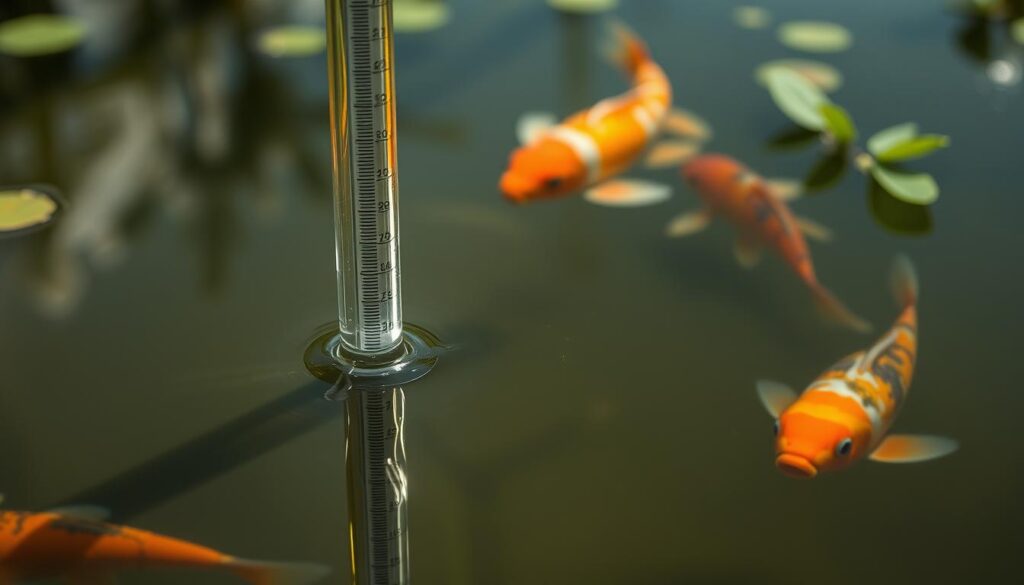
Below 41°F: Stop all feeding
Do not feed. Fish are torpid and any uneaten food will decompose, raising ammonia and stressing health.
41–50°F: Feed only if active
If the fish show clear interest, offer tiny portions 2–3 times per week. Give only what is eaten within about a minute, mid‑day between 10:00 am and 2:00 pm.
50–59°F and 59–68°F
At 50–59°F feed no more than twice daily using easily digested wheat‑germ food and late morning timings.
From 59–68°F move to one or two meals per day as digestion improves, but keep portions small and watch behavior before each offering.
68–86°F and 86°F+
Between 68–86°F offer 2–4 small feedings and monitor water quality closely. Remove leftover pellets promptly.
Above 86°F reduce portions, boost aeration and shade the pond; younger fish may accept small, more frequent amounts.
- Daily rule: measure water temperature first.
- Keep a simple log of temps, food, times of day, and fish response.
Test and Stabilize Water Quality Before You Resume Feeding
Before you offer any pellets, confirm that water chemistry is stable and safe for your fish. Spring can bring quick shifts in pond water that overwhelm weak biological filters. A brief test for ammonia, nitrite, and nitrate gives you a clear starting point.
Ammonia, nitrite, nitrate: why spring spikes matter
Ammonia and nitrite are toxic byproducts of waste and leftover food. Even modest spikes reduce gill function and immunity and harm overall health.
Test routinely in spring because beneficial bacteria may not have recovered. Watch fish behavior—gasping or flashing can signal trouble before test kits do.
Action plan: remove leftovers, water changes, and filtration readiness
Make removal of uneaten food non‑negotiable. Net leftover pellets right after a meal to prevent decomposition and sudden level rises.
If tests show measurable ammonia or nitrite, pause or reduce feed and perform an immediate partial water change of up to 50% to dilute pollutants.
- Clean mechanical prefilters and confirm pump flow.
- Ensure bio-media has good circulation and oxygen for nitrifying bacteria.
- Feed conservatively until pond water quality stabilizes and levels remain steady over several days.
Spring Ramp-Up Plan: Your Week‑by‑Week Feeding Routine
A staged ramp-up keeps digestion stable and your pond water clear as temperatures climb. Start by tying every change to a morning temperature check and fish behavior. Log the day, times, and the amount you offer so adjustments are evidence-based.
Week 1: Temperature‑confirmed restart
Confirm the morning water is in an active range before one small meal. Use an easily digested wheat‑germ food and offer only what fish eat in a few minutes.
Strict portion control protects filter bacteria and pond health. Remove leftovers promptly and run water tests if you see uneaten pellets.
Week 2: Add a second small meal if fish are active
If appetite and water tests are steady, introduce a second modest portion between 10:00 am and 2:00 pm. Keep each offering small and watch behavior closely.
If fish ignore the second offering, skip it. Let fish cues and chemistry guide your next step.
Week 3 and beyond: Gradual increases
Raise frequency and amount slowly as temperatures and filter performance improve. Blend maintenance or color/growth formulas into the diet after steady appetite returns.
Reassess weekly. If temps drop or parameters drift, step back to the prior week or pause meals to protect long‑term health and growth.
- Log times, amount, fish response, and water readings.
- Prioritize digestion and clear water over rigid timetables.
- Personalize the plan for pond size, filter capacity, and fish age.
Choose the Right Food for Cool Spring Water
Start spring by choosing softer, easily digested foods that match cooler water and slower metabolism. This helps digestion restart without stressing the pond’s bacteria or water quality.
Begin with wheat‑germ or multi‑season diets. These formulas break down quickly in cool conditions and reduce leftover waste. Select floating pellets so you can see appetite and remove uneaten bits.
When to change: once water stays steady in the 59–68°F range and appetite is consistent, slowly blend in maintenance foods. As activity reaches 68–86°F, introduce color or growth formulas for added nutrients.
- Pick high‑quality pellets with balanced proteins, vitamins, and minerals to support overall health.
- Young fish benefit from growth diets; adults do best on premium maintenance feeds.
- Avoid rapid switches or artificial dyes; mix new foods over several days and track water clarity and waste.
koi feeding schedule by Time of Day
Timing matters as much as what you offer. Midday warmth creates a predictable window when water temperature is highest and fish digest most effectively.
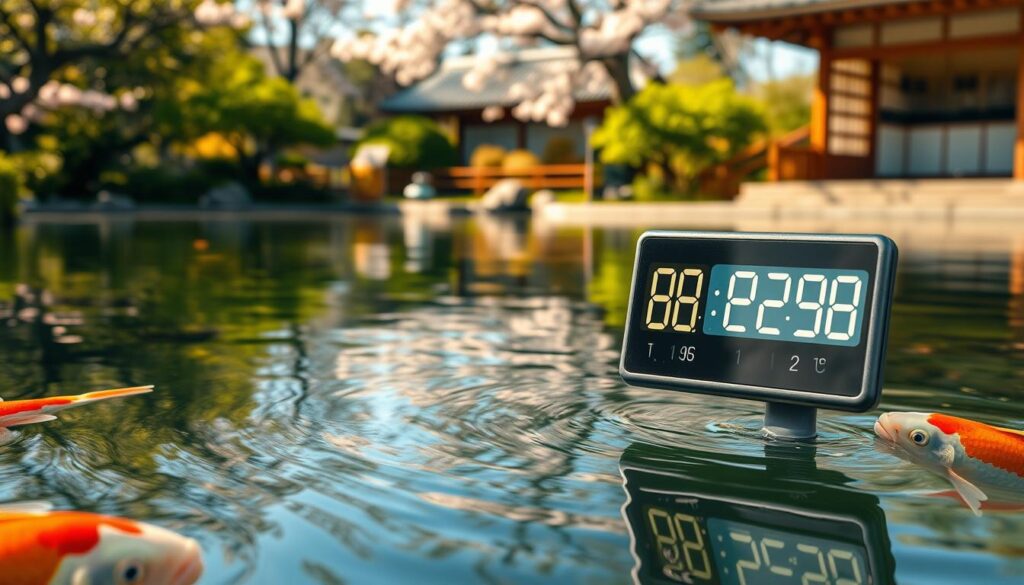
Why 10:00 am–2:00 pm works best in cool, unstable temps
Aim your main meal during late morning to early afternoon. Between 10:00 am and 2:00 pm the pond often reaches its warmest, most stable period in spring.
This window lets fish process pellets and other foods more efficiently and reduces uneaten waste that can harm water quality.
Avoid feeding within one hour of sunrise or sunset
Sunrise and sunset bring rapid temperature and oxygen shifts. Avoid meals then because digestion slows and stress rises.
“Feed in the warmest part of the day to protect fish health and maintain clear water.”
- Use time of day as a control: confine offerings to the mid‑day window when temps are unstable.
- Match daily times with the temperature band: 50–59°F = up to 2 times; 59–68°F = 1–2 times; 68–86°F = 2–4 times.
- Offer pellets in small batches and remove leftovers quickly to protect the pond.
- Keep a consistent daily rhythm so fish behavior becomes a reliable cue for appetite.
How Much to Feed: Portion Control That Protects Water Quality
A small, careful amount at each offering keeps water clear and fish healthy. Watch behavior and stop when interest fades.
Three-minute guideline: offer pellets and let koi fish eat what they can within three minutes. Remove any uneaten bits promptly to avoid decay.
Five-minute check: if food remains after five minutes, you offered too much. Leftover pellets decompose and can raise ammonia and nitrite, harming pond water quality.
“A leaner routine in spring supports long-term health better than generous portions that foul the filter.”
- Use a conservative amount each time; pause when interest drops and net leftovers.
- Feed in small batches so each portion is eaten before adding more.
- Match pellet size to fish size and keep a measuring scoop to track portions.
- In cool water err on the side of less—digestion slows and wastes harm quality.
Adjust for Koi Size and Age
Adjust portions and meal frequency to match the age and size of each fish. Age and mouth size change metabolic rates and access to food. Plan separately for young stock and adults during spring’s ramp up.
Young fish (under two years)
Give small, frequent meals when water permits. Use a nutrient‑dense growth formula once temperatures are stable.
Tip: offer tiny amounts that are eaten quickly to avoid waste and water quality issues.
Adult fish (over two years)
Move slowly to maintenance portions. Increase amounts only as activity and water tests support it.
Match pellet size to the mouth to reduce fragments and leftover food. Spread offerings so smaller individuals can reach food without being pushed aside.
- Blend diets gradually from wheat‑germ to growth or maintenance foods.
- Reduce frequency in cooler periods regardless of age.
- Keep simple records by age group to fine‑tune amounts and timing.
Leverage the Pond Ecosystem
Let the pond’s natural food web shoulder part of the daily ration as spring productivity returns. In a balanced system, algae, plankton, and small invertebrates offer real nutrition and let you cut pellet use without harming fish condition.
Use variety sensibly. Allow controlled algae films on rocks and liner and encourage biofilms that support microorganisms. These natural foods help stabilize water and reduce waste inputs.
- Use the pond’s productivity to lower pellet reliance while monitoring body condition.
- Do not apply this to brand‑new or ultra‑clean systems—stick to pellets until the habitat matures.
- Keep portions small and remove leftovers; excess food raises ammonia, nitrite, and nitrate.
- Maintain good circulation and aeration to support microorganisms and overall health.
Watch fish weight and vigor. If condition slips, increase pellets gradually and reassess habitat productivity. Treat ecosystem support as a complement to testing and observation—not a replacement for active pond care.
Avoid Common Spring Mistakes
Small missteps now—wrong time, too much, or ignored aeration—lead to major water quality problems. A brief, cautious routine protects your pond and the fish as activity returns.
Overfeeding and toxin buildup
Do not overestimate appetite in spring. Uneaten foods decompose and raise ammonia and nitrite levels quickly.
Net leftovers every time. Even small accumulations can push water chemistry into dangerous ranges. If tests show spikes, cut portions and perform a partial change.
Feeding during inactivity or temperature swings
Avoid feedings when fish are lethargic or during rapid temperature changes. Wait for stable mid‑day water temperatures—typically 10:00 am–2:00 pm in cool conditions.
Match the amount and frequency to actual appetite, not the calendar. If fish ignore the meal, skip it and reassess later.
Ignoring aeration during warm snaps
Warm water holds less oxygen. Above 86°F, reduce feeding and boost aeration immediately.
Provide shade and monitor behavior. If fish gasp, flash, or hide, stop feeding and test water at once.
- Keep portions modest and gradual; don’t rush richer foods.
- Log time, temperature, and responses to spot errors fast.
- Clean up leftovers every feeding to protect water quality.
Monitoring and Troubleshooting
Watch behavior closely at each meal; small changes tell you when to act. Eager surface activity, smooth swimming, and prompt consumption are signs that the pond and the fish are coping with your plan.
Behavior cues: appetite, surface activity, and stress signs
Look for clear appetite and steady movement. If fish rise quickly, take pellets, and return to normal swimming, your care and food variety match their needs.
Stress signals include clamped fins, gasping at the surface, flashing, or hiding. If you see these, pause feedings and test water right away.
When to pause or reduce feeding due to weather or illness
If a cold front drops the water temperature or parameters become unstable, stop or cut portions until readings and behavior improve.
If illness is suspected, stop feed koi temporarily, boost aeration, keep water pristine, and seek professional advice.
- Keep mid‑day checks to match the safest feed window.
- Track temperature, ammonia, nitrite, and nitrate daily and link results to behavior.
- Resume with wheat‑germ in small amounts after issues resolve and increase slowly.
“Pause early, act quickly, and document changes to refine care for future springs.”
Conclusion
Finish spring preparations with a steady, temperature-driven routine that protects fish health and preserves pond clarity. Anchor actions to measured temperature ranges, start with wheat‑germ food at restart, and feed in the warmest time window for safe digestion.
Keep portions modest and remove leftovers promptly to protect water and promote good bacterial recovery. Log water, time, foods, and responses so you can ramp up to maintenance, color, or growth diets as conditions stabilize.
Treat observation and testing as daily habits. Intervene quickly with pauses, water changes, or extra aeration when readings drift, and prioritize balanced nutrition with vitamins and minerals to support long‑term health for your koi fish and pond.
You Might Also Like...