
How to Prevent Mosquitoes in Your Pond
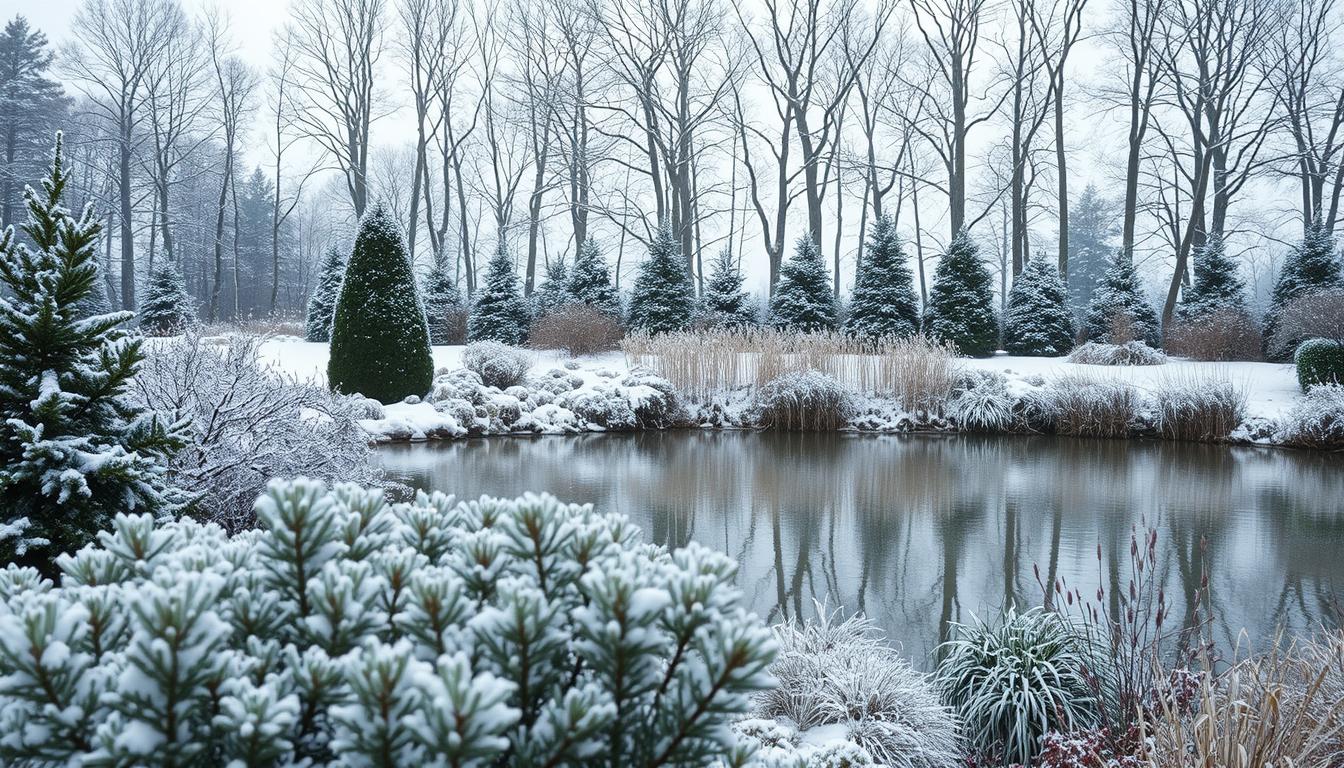
Plan now to keep your pond and garden inviting all season. A few thoughtful moves bring structure and color when most plants are quiet. Evergreens give steady form, while shrubs with bold bark—like red-osier dogwood—and paperbark maple add interest after leaves fall.
Berries and seed heads matter. Holly, viburnum, and coralberry supply bright berries and wildlife value. Ornamental grasses, hydrangea blooms, and sedum seed heads hold shape and texture, especially against frost or snow.
Think beyond plants: painted fences, statues, and frost-tolerant pots make striking focal points near the pond. Align your pond care with your garden goals so water quality and surrounding structure stay strong.
This guide lays out practical tasks: clearing leaves, protecting water features, choosing winter-hardy plants, and quick upgrades like repainting a fence panel or moving containers to frame views.
Key Takeaways
- Use evergreens and bold-barked trees to anchor pond edges.
- Keep water clear by managing organic debris near the pond.
- Add winter berries and persistent seed heads for color and texture.
- Incorporate non-plant accents—containers, paint, and statuary—for instant impact.
- Follow this how-to guide to prioritize tasks and protect spring investments.
Start Smart: Assess Your Climate, Site, and Timing for the Winter Season
Start by matching your site to one of four garden types so maintenance and plant choices fit the season ahead.
Know your garden type: northern zones with steady snow; areas where snow alternates with bare ground; cold places with little snow; and sunbelt gardens where some plants keep growing. Each type needs different plants and timing.
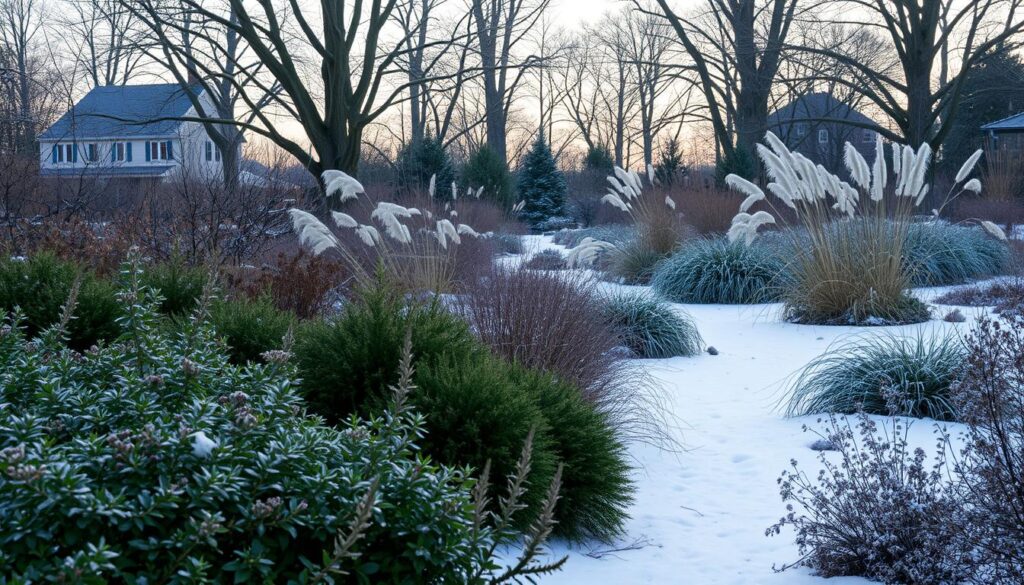
Map sun, wind, and low spots
Walk the property and mark wind corridors, sunny banks, and low ground that holds water. This helps prevent erosion and guides drainage fixes near your pond.
Plan layout, rotation, and timing
Use the off-season to sketch beds, plan crop rotation, and choose plant pairings that give structure now and growth next spring.
- Document hard-freeze dates, prevailing winds, and pooling zones.
- Adjust mulch and soil work to where it will matter most.
- Align late-dormant pruning and soil tests with local freeze-thaw cycles.
Protect Your Pond Through Winter While Enhancing Landscape Interest
Protecting your pond in cold months starts with simple, consistent routines that keep water clear and edges safe. Keep organics like leaves and debris out of water features so nutrients don’t spike and clarity stays high.
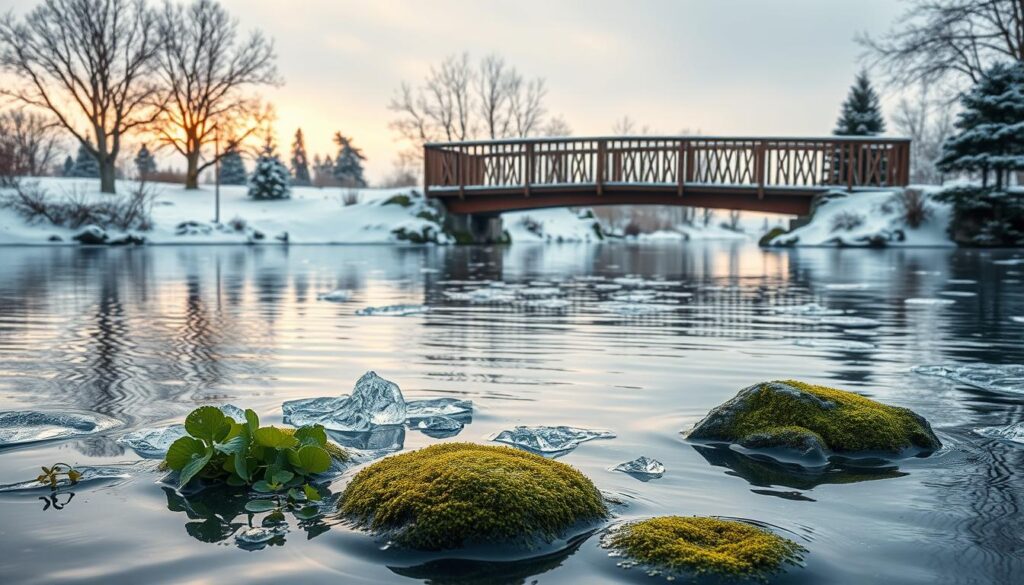
Leaf and debris control is critical: install netting before leaf drop and skim often so matter can’t sink and decompose. Routine skimming reduces strain on pumps and lowers late-season cleanup.
Water, ice, and fish care
Maintain an open hole with a pond de-icer or aeration to support gas exchange and protect fish and microbes. Make sure pumps, intake screens, and waterfalls are adjusted for low temps to avoid ice dams.
- Adjust stocking and feeding—switch to low-protein feed or stop when water cools.
- Create shallow shelves and safe escape routes for wildlife; keep de-icers where animals cannot contact them.
- After storms, gently brush snow from low branches and tie vulnerable limbs to reduce breakage near the water.
Hardscape and edge safety
Check paths and rock edging for heaving or slick spots. Use pond-safe traction materials and add subtle, low-voltage lighting to highlight evergreens and bark without stressing fish.
winter landscape prep: Practical Yard and Garden Tips Before the Freeze
Finish key chores before the first hard freeze to protect turf and plant roots. Small actions now save time in spring and reduce stress on trees and shrubs.
Lawn care basics
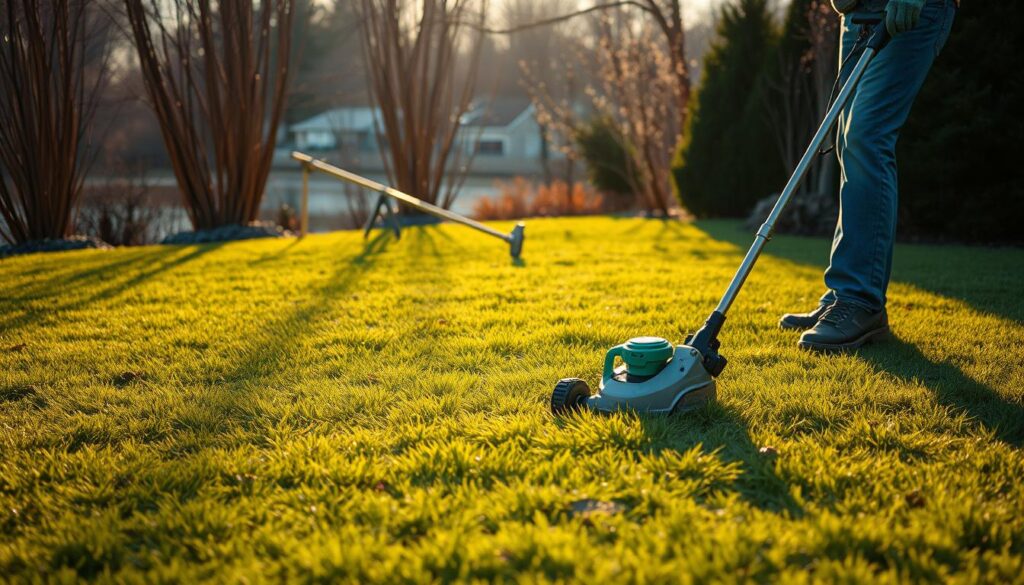
Rake leaves and clear debris so the lawn can breathe and disease risk stays low. Wet leaf mats can smother grass and invite pests.
Set the final mow to 2–2.5 inches to shield crowns and limit matting. Aerate compacted areas and apply a fall fertilizer before the first hard freeze so nutrients are ready for spring.
Pruning and mulch
Delay heavy cuts until late dormant months for most woody plants to avoid exposing fresh wounds. Note exceptions: spring-blooming shrubs should wait until after flowering.
Apply a 2-inch mulch layer around trees and shrubs to stabilize soil temperature and conserve moisture. Keep mulch pulled slightly away from trunks.
Protecting evergreens, branches, and young trees
Spray anti-transpirants on valuable evergreens to reduce water loss. Use burlap shields where wind or salt spray is a problem.
- Tie vulnerable branches to reduce snow load and gently brush snow from low limbs rather than shaking them.
- Remove weak or hazard limbs before storms to prevent breakage near paths and the pond.
- Fit wire mesh guards around young trunks to stop wildlife from gnawing and to protect bark until trees harden off.
Quick yard checklist: rake leaves, set final grass height to the recommended inches, aerate, fertilize, mulch, and schedule pruning in late dormancy.
Soil Health First: Mulch, Compost, and Amendments That Feed Spring Growth
Strengthen your ground with a simple mulch-and-compost routine that feeds roots early. Adding organics now protects beds from freeze-thaw and starts a slow release of nutrients that benefits spring planting.
Build a nutrient-rich layer
A 2-inch layer of organic mulch reduces water loss, keeps soil temperature steady, and controls erosion. Use shredded leaves, composted bark, or well-rotted compost so the matter breaks down steadily.
Compost and organic matter
Mix compost with the mulch or add it beneath the top layer to feed microbes and improve structure. This boosts nutrient cycling and helps the garden hold moisture ahead of spring.
Test and amend for resilience
Get a soil test from your local University Extension this off-season. Use results to apply lime, sulfur, or balanced additions targeted to your needs.
- Lightly water beds before the ground freezes so microbes begin processing compost.
- Keep mulch pulled back from trunks and crowns to avoid rot and pests.
- Top off eroded or compacted beds, especially on slopes and near ponds, to limit runoff and protect water quality.
Design for Winter Beauty: Evergreens, Bark, Berries, and Persistent Seed Heads
Anchor sightlines with year-round green and bold bark to guide the eye to water. Use strong evergreens near the pond to provide steady form, texture, and color when deciduous beds are bare.
Evergreens as backbone
Place varied evergreens to create layers. Mix needle types and silhouettes to avoid monotony. Consider large containers with hardy selections; containerized perennials should be two zones hardier than your location.
Showcase bark and trunks
Use trees with striking bark—red-osier dogwood and paperbark maple—to punctuate views. Their bark reads like sculpture against green backdrops and, when present, snow enhances contrast.
Berries and persistent seed heads
Add berry-bearing shrubs such as hollies, viburnum, and coralberry for color and wildlife support. Note: many hollies need a male pollinator for the best fruit set.
Keep dried seed heads from ornamental grasses, hydrangeas, and sedum for sculptural winter interest.
“Evergreens provide the spine; bark and berries bring the accents.”
Paint, pottery, and containers
Bright paint, statuary, and frost-tolerant pottery add color and structure when beds are quiet. Balance these accents so spring growth can fill in around the anchors without crowding them.
- Position evergreens as visual anchors near water.
- Mix shrubs and trees for contrast and year-round interest.
- Use perennials and grasses with persistent seed heads for form.
Tools, Seeds, and Midwinter Checkups to Stay Ahead
Set aside a weekend to service blades, sort seeds, and note how water moves across your beds. Small, steady work now saves time and mess when spring arrives.
Clean, sharpen, and oil tools for efficient pruning and cutting
Clean tools by removing rust with a wire brush or steel wool. For stubborn rust, soak small parts in a white vinegar and water solution, rinse, dry, and oil lightly.
Sharpen pruners at a consistent 20–25° angle, wipe blades clean, then reassemble and oil pivot points. Sharp tools make pruning safer and give cleaner cuts on trees and shrubs.
Start cool-season seeds indoors and time transplants for your area
Begin cool-season seeds like lettuce, spinach, and broccoli indoors in late winter under grow lights. Pot up seedlings as they grow so roots don’t become bound.
Track your frost dates for the area and plan transplant time so young plants move out when soil and weather are ready for them.
Observe drainage, snow melt patterns, and adjust garden plans
Walk the garden after storms to map where water pools or the ground stays wet. These observations reveal where grading, soil amendments, or new drains are needed.
Use notes from last year to refine bed placement, pathways, and pond overflow routes. A small change now prevents bigger repairs in spring.
“A little maintenance and good timing keep tools sharp, seedlings healthy, and beds resilient.”
- Set aside time to clean and oil pruners and loppers.
- Start seeds indoors and track frost dates for transplant timing.
- Record drainage patterns to protect soil and water features in spring.
Conclusion
This guide helps you use simple, timely tasks to protect roots and speed new growth. Tackle leaf cleanup, set the final lawn height, and layer mulch and compost where soil needs strength. These actions cut spring work and reduce damage after storms.
Plan pruning in late dormancy and shield evergreens with anti-transpirants or burlap when needed. Note drainage lines, start seeds indoors on schedule, and place evergreens, berries, bark, and persistent seed heads to keep your garden lively even with snow.
Small, steady attention to soil, lawn, debris, and tools now gives your yard, ponds, trees, shrubs, and perennials the best chance for strong growth in spring. Close the season with confidence.
You Might Also Like...