
How Often Should You Test Pond Water Quality?
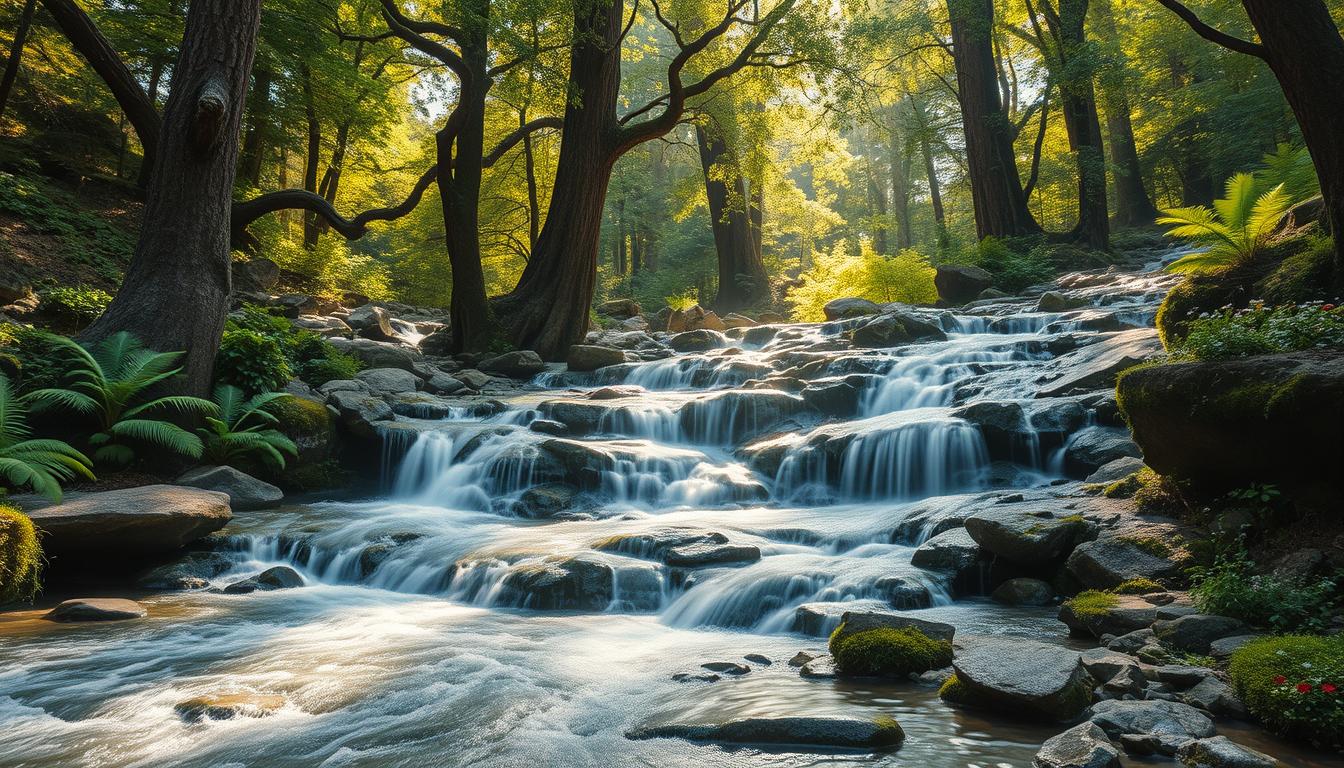
Thinking about a backyard waterfall? A pondless waterfall recirculates water into a hidden reservoir, giving the look and sound of a natural feature without an open pond. This option is popular today for low-maintenance, child-safe enjoyment and fits many yards.
Planning is simple: choose between a waterfall kit or a custom rock-and-liner build, size the pump correctly, and decide where the reservoir and liner will sit. A rule of thumb is about 300 GPH for a 6-inch spill, adjusted for head and hose loss.
Budgets vary. A documented DIY project totaled roughly $303 using concrete “rocks,” found stone, a 1/6 hp submersible pump, PVC, and mulch. Kits range from about $600 to $4,000 depending on size and labor. Allow concrete 24–48 hours to dry before testing; full cure takes weeks.
Expect trade-offs: you get flexible design and a natural look, but plan for excavation, splash control, and proper liner overlap. Also ensure pump power is on a GFCI circuit for safety.
Key Takeaways
- Pondless systems hide the reservoir, making them safer and lower maintenance.
- A small DIY build can cost about $303; kits run $600–$4,000.
- Use ~300 GPH per 6-inch spill as a starting point for pump sizing.
- Let concrete dry 24–48 hours before testing; full cure takes weeks.
- Decide today whether a preformed spill or custom rock-and-liner suits your site.
What a pondless waterfall is and why it’s a great backyard water feature today
A pondless backyard feature delivers the charm of cascades while hiding the basin belowground. It circulates water from a concealed reservoir, so you get the sound and motion of waterfalls without an open pond edge. This makes the area safer for kids and pets and cuts routine maintenance.
Small yards benefit most today: fewer mosquitoes, easier permitting in many towns, and flexible siting near a patio or main sightline. Choose a location with power access and drainage away from the house for best results.
Performance depends on pump size and spill design. Preformed cascades in plastic or fiberglass often call for 200–1000 GPH depending on width and drop. A proper spill lip that pools water briefly gives a smooth sheet flow for a clean curtain.
To conceal the basin, the reservoir is buried and covered with rock and gravel while leaving pump vault access. Underlayment and liner should overlap into the pool area so splash returns to circulation.
- A natural stone stream blends with planting and mulch for lifelike appeal.
- Preformed elements speed up DIY work in tighter areas.
- You keep the soothing sound of moving water without a visible pond.
Plan your backyard waterfall: location, space, and landscape fit
Start by scouting a spot that stays naturally firm and is visible from main seating. A good location keeps the pondless waterfall stable and lets you enjoy the sound without walking across the yard.
A firm base matters. Set preformed units on about 2 cm of dry sand and cement mix to prevent subsidence and keep the spill edge level. Overlap the liner into the pool so splash-back returns to circulation.
Choosing a safe, level area with power access and sightlines
Verify you have a GFCI outlet nearby and plan a discreet cable route that meets code. Pick an area with clear sightlines so the feature enhances views from windows and seating.
Allowing room for the reservoir, pump access, and splash zone
Measure the space needed for the buried reservoir, pump vault, media blocks, and gravel topping. Allow a generous splash zone to reduce loss and keep overflow away from structures.
- Select a location with a stable grade or terrace it so the spill edge stays level and water does not run off the sides.
- Plan for pump access and a minimum 1-inch hose to avoid starving flow; budget room for liner edges to come up the sides.
- Think about drainage, visibility, and plantings to blend stone and softscape with the yard and surrounding area.
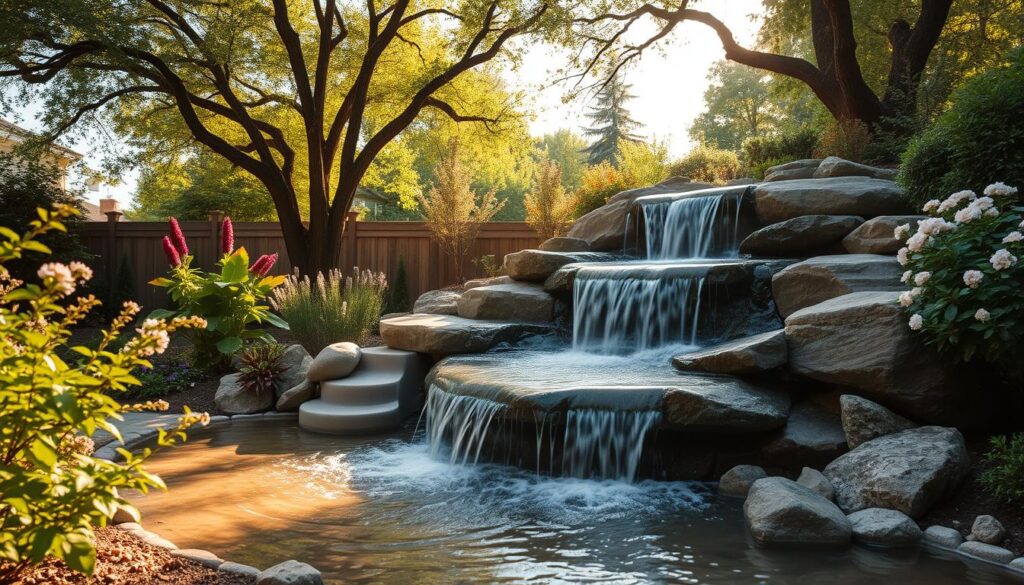
Waterfall kits vs. custom build: which route fits your yard and budget
Your yard, timeline, and budget will steer you toward either a matched kit or a custom rock-and-liner project. Both paths deliver moving water and a safe, pondless basin, but they differ in cost, time, and flexibility.
Preformed waterfalls and pondless waterfall kits
Preformed cascades and packaged kits
Kit packages often bundle a reservoir, pump, hoses, spillway, and liner with clear manuals. This makes them beginner-friendly and predictable for cost and time.
Preformed plastic cascades commonly run on 200–400 GPH, while fiberglass or polyurethane pieces can need 300–1000 GPH. Many pros still lay extra liner under preformed units so splash returns to the reservoir.
Custom rock-and-liner construction for flexible shapes
Custom rockwork and liner builds
Custom construction gives you tailored spill heights, unique shapes, and the option to use local rocks for a natural fit. Expect more hands-on work but greater design freedom.
For cost control, some DIYers build full features near $300–$500 by using found rocks or concrete faux stone instead of premium pre-cast pieces.
- Pros of kits: speed, matched components, predictable pump sizing, easier start-up.
- Pros of custom: unique aesthetics, scalable size, and site-specific shaping.
- Always pick a pump and hose that match head and width; use at least a 1-inch hose to avoid starving flow.
Materials and tools you’ll need for a DIY pondless waterfall
Gathering the right materials up front will save time and reduce surprises on build day. Below is a compact list of the core parts and tools you’ll need to complete a backyard feature with confident timing and fewer trips to the store.
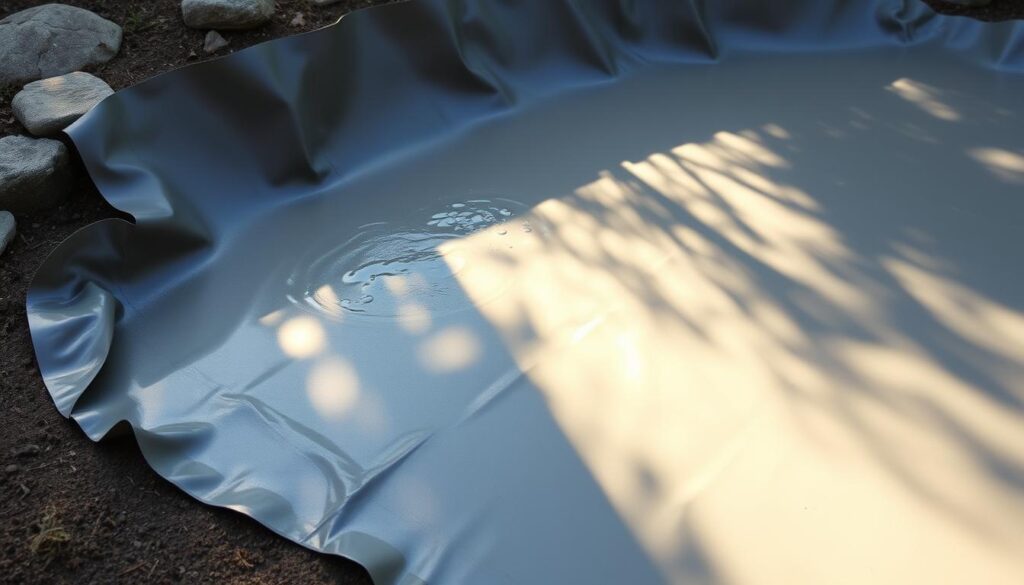
Pond liner, underlay, reservoir vault, pump, hose, and fittings
Core components: a durable pond liner and underlayment, a reservoir vault with media blocks, an appropriately sized pump, and at least 1″ flexible hose or PVC with fittings.
Rocks, concrete or mortar, foam, and leveling tools
- Plumbing essentials: valves, unions, a clean-out tee, purple primer, and PVC cement for rigid runs.
- Structural: pressure-treated lumber for forms, 2″ foam for shaping, mortar for setting rocks, and concrete (six 80 lb bags in the example).
- Stone needs: flat capstones for spill lips and mixed rocks to feather edges—found rocks save money where allowed.
Tools, electrical, and finishing items
Bring a 2–4′ level, string line, stakes, tamper, and a compacting base of sand or gravel to prevent settling. Plan for an outdoor GFCI outlet on a dedicated circuit and weatherproof cover.
- Sample buy: 1 × 1/6 hp submersible pump, 6 × 80 lb concrete bags, 2 × 40 lb mortar bags.
- Consumables: landscape fabric, black waterfall foam sealant, screws, and plants to blend the final pond edge.
Pump and plumbing basics for reliable flow
Start by matching desired flow per spill width with the vertical rise and number of bends in your route.
Right-size the pump by using ~300 GPH for each 6-inch-wide spill as a baseline. Then add head loss from the vertical rise and fittings. Check the pump curve from the manufacturer to find the model that still delivers your target GPH at that head.
Hose diameter and head loss
Smaller hoses create friction and cut delivered flow. For most small falls, use at least a 1-inch feed line to avoid choking the system. Larger widths or long runs may need 1.25″ or 1.5″.
Valves, clean-outs, and routing
Install a ball or gate valve on the supply line to throttle an oversized pump so you can tune sheet thickness and sound. Add a union or quick-disconnect near the pump for easy removal and cleaning. A tee with a capped clean-out port lets you flush debris without digging.
Practical tips for lasting performance
- Route the supply line along the stream edge under liner or soil, avoid sharp kinks, and protect against rock abrasion.
- Place the pond pump in a pump vault or gravel-wrapped basin to keep debris off the intake.
- Account for elevation and bends when calculating dynamic head; then verify with the pump curve.
- Make sure all exterior electrical connections are GFCI-protected, weatherproof, and installed with drip loops to code.
Reservoir and liner setup to keep water recirculating
Start the reservoir work by marking a cavity that fits a pump vault and service access. For non-pond builds, dig a level basin and add 1–2 inches of sand to cushion the base.
Excavating the reservoir and installing underlay and pond liner
Install underlay first to protect against roots and sharp stones. Then position the pond liner with generous sidewall height so the system handles splash and rain.
Overlap liner under the spillway to catch splash
Dry-fit spill lips and stream steps before trimming liner. Make sure the liner overlaps beneath preformed spill lips so stray water returns to the reservoir instead of seeping into soil.
Placing the pump vault, media, and return line
Center the pump vault, level it, and surround it with clean-washed gravel to keep debris off the intake. Route the return line up the slope under the liner, avoid tight bends to reduce head loss, and leave liner edges high until you test the pump.
- Use geotextile above the liner where rocks will sit to spread load and reduce abrasion.
- Plan access so you can service the pump; build pondless waterfall systems for easy maintenance.
- Trim and finish edges only after a successful test and once the water flow and seals are confirmed.
Waterfall installation: step-by-step for a pondless build
Start simple: stake the stream path and step the slope so terraces match your backyard and available space. This makes a firm base and helps plan liner folds and future rock layers.
Step one: stake layout, step the slope, and rough in the watercourse
Stake the path, excavate, and cut stable terraces. Match tread depth to expected rock thickness and leave room for underlay and liner.
Step two: set spill lips level, front edge slightly higher to pool water
Set spill rocks dead level side-to-side. Keep the front edge just higher than the back so water pools before it falls for a smoother sheet.
Step three: run and hide the supply line to the top spill
Run the supply line up the side and hide it under soil and liner. Do not cement the outlet—leave it adjustable to tune flow and direction with the waterfall pump.
Step four: secure liner up the sides and behind each drop
Pull liner up and behind every drop, smooth folds to prevent capillary leaks, and leave extra material until you test the system.
Step five: backfill, compact, and protect edges before rockwork
Backfill carefully, compact behind liner edges, and dry-fit rocks. Test access to the pump vault and perform a wet run to fine-tune levels and flow before final construction.
- Tip: document levels and spill positions with photos so you can return to target alignments.
Rock placement techniques to make it look natural
Good rockwork turns a planned run into a believable stream. Start by settling the top edge. Settle on level, flat rocks for the spillway first—everything downstream should read as if shaped by nature.
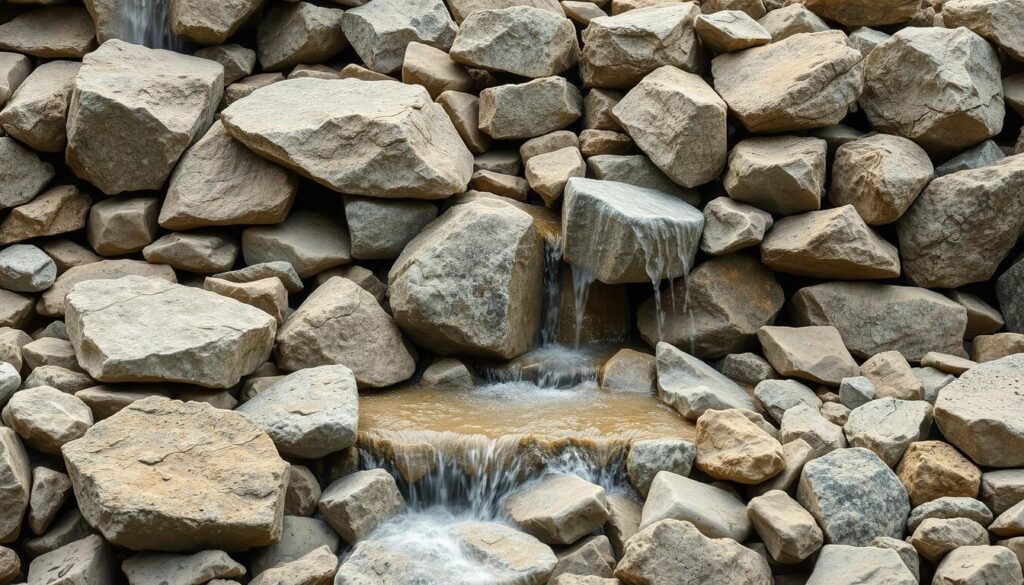
Use flat stones and seal gaps
Flat stones work best for the spill lip. Use wedges and shims beneath them to get a true level and a clean sheet of water.
Fill gaps under those stones with black waterfall foam or mortar after the first set. This prevents underflow and helps you control splash loss.
Stagger sizes and add found rock
Stagger boulder sizes and set keystones below drops to stabilize edges and frame views. Add rocks sparingly for focal points and rotate each piece so bedding faces look natural.
Planting and mulch to blend the feature
- Feather small stones and gravel into liner edges to hide seams.
- Plant groundcovers and grasses to soften transitions and make the run look natural from day one.
- Mulch surrounding beds to stop soil washing into the pond and to finish the scene.
Pump test, tuning, and sealing for a cleaner, quieter flow
Start final tuning with a careful wet run so you can hear and see how each spill behaves. Fill the basin and run an initial pump test to observe flow across every spill lip. This is the best moment to catch low edges or unexpected escapes of water before you cement or mortar anything.
Wet test the system and adjust spill lips
During the pump test, watch for thin spots and turbulence. Re-level spill stones with shims so the front lip sits a touch higher than the back to hold a shallow pool.
Throttling helps: fit a valve on the line and reduce flow until the sheet and sound suit your space. A small change in speed often fixes splash without changing rocks or plumbing.
Seal gaps to direct water where you want it
Fill gaps beneath spill stones with black waterfall foam or mortar to prevent underflow and noisy bypasses. Allow at least 24–48 hours dry time for new concrete before longer tests; brief checks are fine once surfaces are dry.
- Confirm the pond pump or waterfall pump performs on its curve at your measured head.
- Observe for hotspots and move rocks to soften sound near seating areas.
- Log final positions and mark levels so you can restore settings after maintenance.
Maintenance tips to keep water cleaner and the feature running
A small maintenance schedule saves time and stops minor issues from growing. Keep checks simple and regular so the system stays reliable and the water looks healthy.
Skimming, reservoir checks, and seasonal care
Skim leaves and debris from the streambed and reservoir surface every week. This helps intake screens stay clear and lets the pond pump deliver steady flow.
Check reservoir levels after hot or windy days and top up as needed. If you see unusual loss, inspect liner edges and splash areas for low spots or gaps.
Managing cement cure, pH, and safe start-up
After new mortar or concrete work, allow extra curing time before running the unit full-time. Run short tests first and monitor pH closely — excess lime from fresh concrete can raise pH and stress plants.
If pH drifts, partial water changes restore balance. Safety tip: avoid chemical shocks that harm pets or nearby plantings.
Routine service tasks and winter steps
- Rinse or replace pump prefilters and clean the vault several times each season so the pond pump keeps target flow.
- Refresh mulch and reposition small stones to keep liner coverage and a tidy look.
- Inspect spill lips for settlement and re-level to preserve a smooth sheet rather than runoff.
- Winterize by protecting or removing the pump where freezing occurs and drain exposed lines per manufacturer guidance.
Small, regular actions make it easier to water keep cleaner and extend the life of your DIY feature. Check plants and algae control methods that are safe for pets and nearby beds, and address issues early to save time and money.
Budget and timeline: DIY vs. kit costs and how much time to allow
Start by listing what you’ll need and how many weekend hours you can safely commit to the project. That quick inventory helps you decide between a matched kit or a piecemeal DIY approach.
Cost snapshot: a documented diy backyard waterfall totaled about $303 using found stone and basic materials. Kits today range from about $600 to $4,000+ depending on size and components. A waterfall kit or waterfall kits can save time and include warranty value.
Where to save and where to spend: save on decorative stone by using found rock. Invest in a quality liner and a reliable pump — they cut leaks and downtime. Plan extras like spare hose, sealant, and gravel so you won’t run back to the store.
Weekend timeline: day one—excavate and set the reservoir; day two—set the spill and run plumbing; day three—rockwork and initial pump test. Allow 24–48 hours before a full test on concrete and weeks for full cure.
- Allow buffer time for leveling, tuning spill lips, and weather delays.
- Buy a slightly larger reservoir and an efficient pump to save water and refill time long term.
Common mistakes and easy troubleshooting
A quick scan often finds the problem before major repairs are needed. Start by checking visible seams, low edges, and any folds in the pond liner that can wick water away.
Leaks and low edges: lift suspicious liner folds, smooth them, and reset edges higher than surrounding soil. If the sheet slips under a capstone, fill gaps with foam or mortar so water flows over the lip, not beneath it.
Weak flow and pump checks: verify the pump’s rated GPH at your actual head height versus the curve. Swap to at least a 1-inch hose to cut friction losses and recheck for kinks or intake blockages in the reservoir.
- Re-level spill lips — even small tilts cause streaking and splash loss.
- Widen the spill rock or add a shallow pool behind it to keep water in-bounds.
- Stabilize shifting rocks with support stones and mortar, then retest flow.
- If water clouds after new mortar, flush and perform partial changes to remove excess lime while the concrete cures.
Quick checklist: head height, hose diameter, intake clear, liner overlap, and settled levels. These steps will help your build pondless project look natural and run reliably.
Conclusion
Close your pondless waterfall project by confirming layout, equipment, and final rock placement before a full run. A quick check of levels, liner overlap, and pump routing makes the last step smooth and predictable. This simple finish ensures your backyard water feature starts well.
Remember core specs: target ~300 GPH per 6″ spill, feed the top with at least a 1-inch hose, and overlap liner under spill lips. Allow 24–48 hours for new mortar or concrete to dry before prolonged testing.
Whether you choose a kit or tackle a diy waterfall, focus on a right-sized pump, level spillways, and neat edging. Add rocks thoughtfully and place around waterfall plants and mulch to hide seams and blend the feature with your landscape.
Gather materials, set a weekend, and enjoy the sound and sparkle of your new backyard pondless waterfall with confidence.
You Might Also Like...