
Is It Safe to Walk on a Frozen Pond?
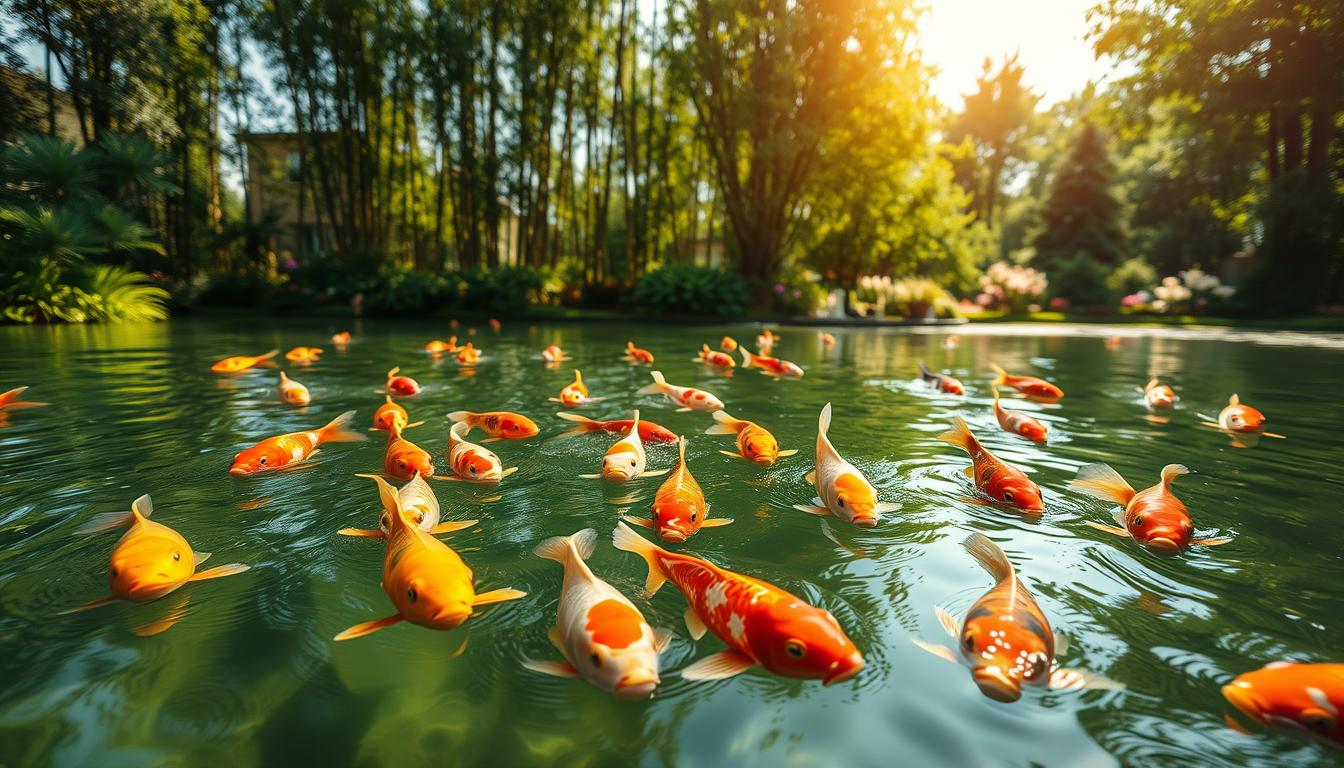
Align feeding with water temperature and seasonal metabolism to keep koi fish healthy and growing. When pond temperatures climb into the warm range, fish need higher-protein diets to support active growth.
Ideal growth occurs between about 73°F and 86°F, so match diet and rhythm to that window. Use floating pellets to watch intake and avoid overfeeding. Short sessions of small portions let fish eat quickly and help protect water quality.
Start feeding in spring when water reaches roughly 60°F with easily digested options like wheat germ. In fall, return to gentler formulas. Stop feeding when temperatures fall consistently below 40°F; koi rely on stored reserves.
This blog will walk you through adjusting diet by temperature, choosing quality fish food, and structuring mealtimes safely. Simple routines, cleanup of leftovers, and avoiding feeding before storms keep your pond clear and your fish thriving.
Key Takeaways
- Match feeding to water temperature and seasonal metabolism.
- Feed high-protein diets in warm months when growth is fastest.
- Use short sessions with floating pellets and remove uneaten food.
- Warm-up in spring at ~60°F; wind down in fall with gentle diets.
- Avoid feeding before storms or during pump/aeration failures.
Set your summer koi feeding baseline by water temperature
Let the pond temperature be your guide — small changes in degrees change digestion and appetite fast.
Start light around 60 degrees fahrenheit. As water temperatures move through the 60–72°F ramp-up, digestion speeds and appetite rises. By 73–86 degrees fahrenheit, koi fish hit a growth window and can take richer rations.
When the pond sits between roughly 64°F and 88°F, plan two to four short sessions per day. Watch how quickly the fish clear each portion and adjust times per day accordingly.
“Only offer what they can finish in 3–5 minutes; remove leftovers within 20 minutes to protect water quality.”
- Above ~88°F, reduce portions and boost aeration — warm water holds less oxygen.
- Below ~50°F taper feedings; stop at or below 40°F.
- Use the 3–5 minute rule to prevent ammonia and nitrite spikes.
Choose the right summer foods for growth, color, and easy monitoring
Opt for nutrient-dense rations that promote growth and vivid pigmentation as activity rises.
Prioritize higher-protein koi food and quality pellets during warm months. Protein and healthy lipids support muscle growth and color development. Pick a brand that lists protein and vitamin fortification clearly so immunity and color stay strong.
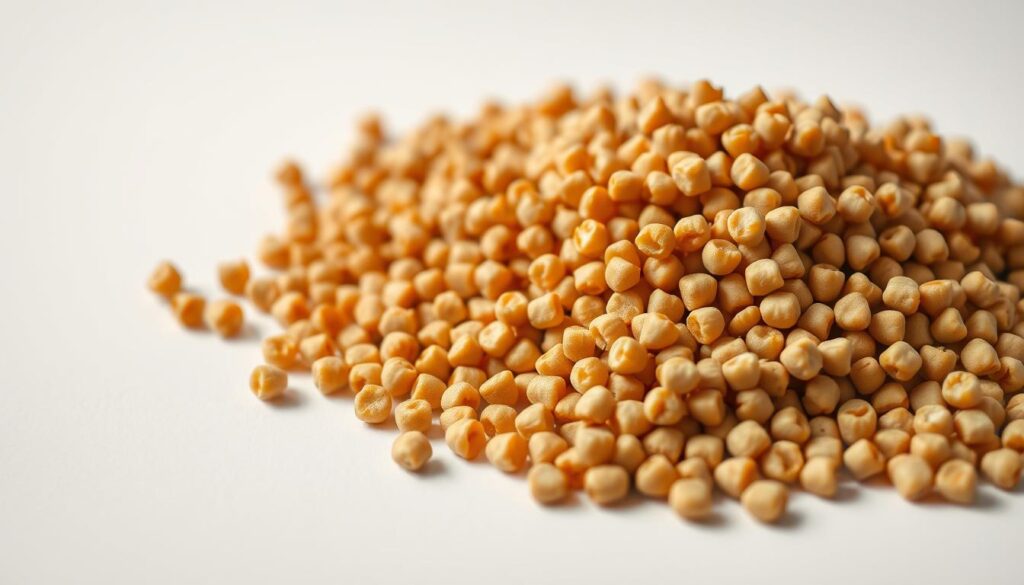
Floating vs sinking pellets: floaters let you watch koi at the surface and confirm portions. Surface pellets make it easy to stop feeding the moment intake slows, which prevents waste and water issues.
Size matters: offer flakes or smaller pellets for smaller koi and move to larger pellets for bigger mouths. Matching pellet size makes each bite efficient and easier to digest.
Smart treats and supplements: use brine shrimp, bloodworms, chopped vegetables, and occasional clams to diversify nutrients. Keep treats modest and remove uneaten bits quickly to protect water clarity.
- Choose high‑protein, quality fish food for growth and color.
- Prefer floating pellets to monitor intake and avoid overfeeding.
- Match pellet size to mouths so fish eat cleanly and efficiently.
- Use supplements sparingly and skim leftovers to keep water healthy.
Timing, oxygen, and pond conditions that make summer feeding safer
Plan meals around oxygen levels and pond activity, not just temperature. Digestion increases oxygen demand, so timing matters more than routine when the water or weather changes.
Avoid feeding before storms or when aeration is unreliable. Barometric shifts and rain can lower surface oxygen. If a pump or aerator fails, do not feed—fish need oxygen to digest food and avoid added stress.
In very warm water, reduce how often you feed and add extra aeration. Watch for sluggish movement or gasping; those are signs of stress and low oxygen. Use floating pellets so you can watch koi at the surface and stop feeding if appetite falls.
“Only feed when oxygen levels and circulation are stable; pause meals if you see distress.”
- Feed at consistent times of day when conditions are stable.
- Keep a checklist for aeration, filtration, and circulation before every meal.
- If water quality spikes with ammonia or nitrites, do a 50% water change to protect fish.
Seasonal transitions: from spring warm-up to fall koi slowdown
Transition days between seasons demand small, deliberate changes to diet and portion size. Use water temperatures to time each shift, not the calendar. That keeps digestion steady and water quality stable.
Spring return to feeding
Restart feeding once the pond reaches about 60 degrees fahrenheit. Begin with wheat germ‑based koi food that digests easily after winter. Offer small portions per day and watch how quickly fish eat.
Fall shift to gentler foods
As water temperatures cool into the 40–50°F range, move back to lower‑protein, wheat germ formulas. Feed less often and remove uneaten bits promptly to protect water quality.
Winter rule: stop at the cold threshold
When the thermometer hits about 40 degrees fahrenheit, stop offering fish food. Healthy fish rely on reserves built earlier in the year and do not need fed in these cold conditions.
“Match diet changes to degrees fahrenheit, and let water temperatures guide your schedule.”
- Spring: small portions, wheat germ starters as activity returns.
- Fall: taper meals, choose gentle wheat germ foods for slower digestion.
- Winter: cease feeding at ~40°F and monitor fish condition, not appetite.
Conclusion
Base meal choices on simple water readings and keep routines short so fish stay vigorous and your pond stays clean.
Match food to temperature, favor protein-rich formulas in warm degrees, and use floating pellets to watch intake. Offer small portions that the fish clear in minutes and adjust times per day as appetite changes.
Pause feeding when oxygen looks low—after storms or during pump failures—to protect fish and water quality. Pick a reliable brand with clear protein labeling and size pellets for smaller koi and larger mouths so all fish eat efficiently.
Use this blog checklist to refine how you feed koi fish, protect water, and keep koi fish vibrant all season.
You Might Also Like...