
Design Inspiration for Seating Areas by Your Pond
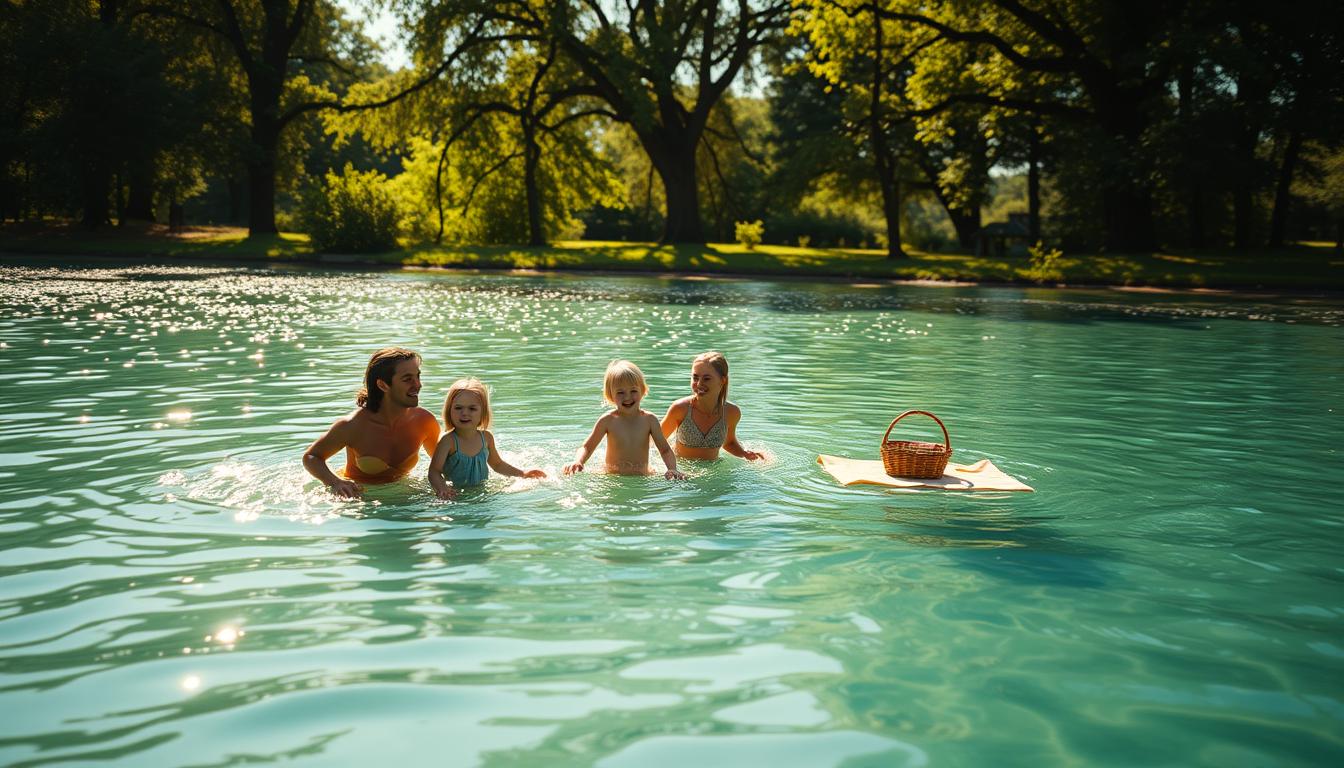
Plan a safe, easy day by the water with step-by-step ideas that help kids learn about nature and wildlife. This short guide shows simple gear, quiet observing tips, and gentle ways to meet frogs, dragonflies, and birds without disturbing their habitat.
We explain why ponds are lively places: shallow, still water lets sunlight reach the bottom, so plants thrive and animals find food and shelter. You’ll get a DIY scope idea, a gentle catch-and-release tip, a journaling prompt, and a picnic plan—each activity suited to different ages and attention spans.
Safety and respect are front and center. Never leave kids unattended, check slippery banks first, wear sturdy shoes, and learn to spot poison ivy. Use quiet observation and a simple thumbs-up signal when someone spots wildlife to keep animals calm and visible.
Key Takeaways
- Use easy, portable gear and simple methods for exploring ponds close to home.
- Sunlit, still water supports plants and a wide range of animals and wildlife.
- Follow safety basics: adult supervision, proper footwear, and scanning banks.
- Try low-impact activities: homemade scope, gentle catch-and-release, and nature journaling.
- Quiet observing and leave-no-trace habits improve sightings and protect habitats.
Why ponds are perfect for kids in summer
Quiet, shallow waters give youngsters a safe space to notice plants and animals up close. A pond is a lentic ecosystem where sunlight often reaches the bottom and fuels aquatic plants. This makes water edges rich with life and easy for kids to approach from the bank.
Ponds offer nearby habitat for frogs, dragonflies, birds, and small fish. In summer many animals are active and visible, so children spot movement, life stages, and simple food chains more easily.
That close view helps link plants, animals, and the wider ecosystem. Kids learn the role each part plays: plants provide shelter, insects feed fish and birds, and water levels change with rain.
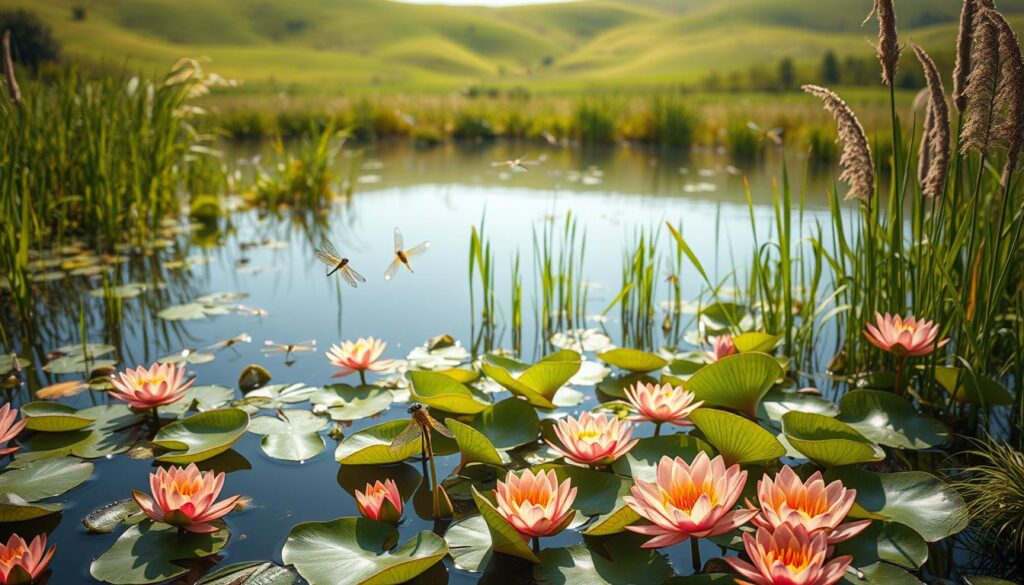
Short visits focused on one area build observation skills. Watching tadpoles grow or seeing nymphs become dragonflies gives a bit of wonder and concrete learning. Treat this space with quiet respect to protect the habitat and encourage more sightings.
- Safe, calm edges make observation natural.
- Sunlit shallows support plants that feed animals.
- Small, contained spaces help kids gain confidence with nature.
Safety, gear, and choosing the right pond location
A quick site check and the right gear set the tone for a successful outdoor visit. Start by having an adult inspect banks for slippery mud and undercut areas before children arrive. Never leave children unattended near water.
Non-negotiable basics
- An adult supervises at all times and checks footing first.
- Wear sturdy shoes for traction on rocks and wet edges.
- Use sun protection and learn to spot poison ivy for this place and season.
Respectful observing
- Use quiet voices and a thumbs-up signal for sightings.
- Don’t collect or remove natural objects—take photos instead and leave no trace.
- Avoid digging holes near banks to prevent erosion and tripping hazards.
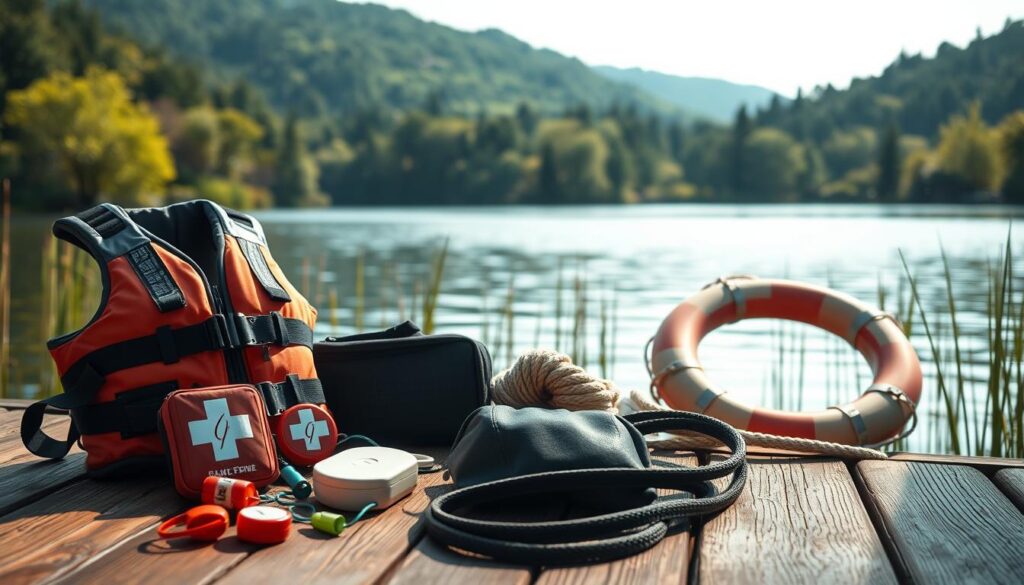
Essential gear that makes a great way to deepen observations: nets, a small bucket for brief viewing, magnifiers, binoculars, field guides, and a notebook. Keep handling brief and return animals quickly.
- Picking a good location: choose shallow edges, stable banks, clear access paths, and nearby parking.
- Water awareness: note changing water level after rain and keep a safe buffer from undercut banks.
- Bottom-aware tips: sweep nets gently in sand or muck; lift rocks carefully and replace them to protect microhabitats.
Plan ahead: check maps, confirm hours, and contact local extension agents or park managers for site-specific guidance. This article will reinforce a safety-first mindset for every activity step.
Family pond fun: 5 hands-on summer activities
Try five hands-on stations that bring the water’s edge to life for curious kids. Each activity focuses on the edges, bottom, and aquatic plants so children see how animals use each zone.
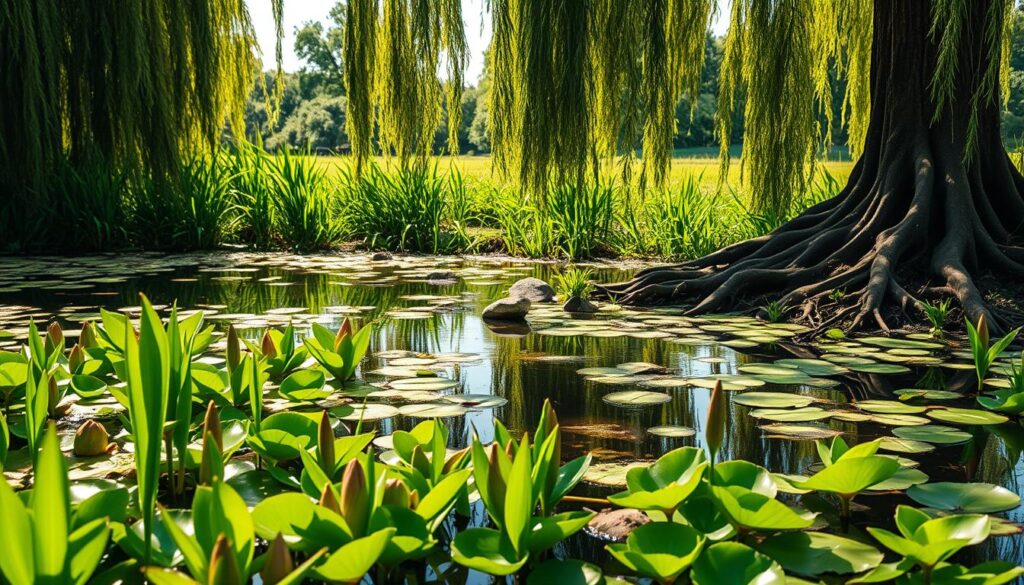
What you’ll explore
Edges: shallow margins where insects and tadpoles hide.
Bottom: sand, muck, and rock habitats that support tiny life.
Plants: submerged and emergent zones that shelter and feed animals.
Set expectations and safety
Use short sessions of 10–15 minutes at each station. Teach kids gentle handling and quick release so animals stay healthy.
Safety cue: thumbs-up for sightings, gather slowly, and have an adult check slippery areas before anyone moves closer.
How to run it
- Rotate roles—spotter, timer, recorder, photographer—to keep engagement high.
- Bring a small bucket with pond water for brief viewing; keep it shaded and return animals quickly.
- Take one photo of the bottom substrate and one of the plant zone at each stop to compare habitats over time.
Tip: Start ID with broad groups—insects, tadpoles, fish—and use free macroinvertebrate guides online to narrow names. The best way to see more wildlife is quiet observation and low-impact methods.
Activity how-to: explore the pond edge with a homemade water scope
Make a simple water scope to peek below the surface and spot life that hides at the edge. This quick tool reduces glare and helps kids see tadpoles, minnows, small fish, and aquatic plants without wading in.
Build a simple scope
Materials: an empty plastic bottle or coffee can with both ends removed, clear plastic wrap, and rubber bands. Stretch the plastic wrap over one open end until it is smooth and secure it with bands so the hole stays sealed.
Step-by-step use
Gently lower the wrapped end 2–3 inches below the water to cut surface glare. Hold the scope steady at the edges and sweep slowly along stems and leaf clusters.
- Avoid stirring sediment; keep the tube steady.
- Move along the bank rather than wading through sensitive areas.
- Use a timer for short turns so everyone observes without stressing animals.
What kids learn
Observation shows how frogs progress from egg masses to tadpoles to froglets. Kids notice how aquatic plants differ in shape and flowers from land plants and how small fish use shallow zones for shelter.
Tip: Sketch or label what you see to reinforce learning and return later to compare how light and activity change what lives below the surface.
Activity how-to: catch and release macroinvertebrates, tadpoles, and minnows
Use gentle net sweeps and brief viewing to discover tiny life near the water’s edge. This short routine teaches safe handling, quick ID, and a respectful return so animals stay healthy.
Net techniques for plants, muck, sand, rocks, and vegetation
Start with safety: an adult checks footing and water level before anyone nears the edge. Demonstrate gentle sweeps through submerged plants to catch larvae and juveniles without tearing stems.
For muck or sand, pull the net lightly along the bottom and rinse the catch in a white tray or bucket to reveal tadpoles and small insects. On gravel or rock patches, lift one rock at a time and replace it exactly as found.
Temporary viewing setup: small bucket, quick ID, gentle return
Keep a small bucket shaded and filled with pond water for brief viewing. Avoid overcrowding and return animals to the exact spot you found them to protect microhabitats.
- Limit each viewing to a few minutes to reduce stress.
- Use free online guides or a simple chart for quick IDs.
- Rinse gear away from the edge to avoid stranding organisms.
Teach kids to ID dragonflies, damselflies, insects, and fish life stages
Show kids how to spot key features: tails and gills on tadpoles, fins on small fish, and body shape differences between dragonflies and damselflies. Encourage noting which habitat—plants, muck, sand, or rocks—produced each find.
- Practice one ID at a time to keep attention high.
- Rotate roles—netter, spotter, recorder—to keep sessions short and focused.
- Always have an adult supervise and confirm safe ground before any sweep.
Quick reminder: respect the water and its inhabitants. Brief, guided exploration builds skills and curiosity while protecting these living systems for future visits.
Activity how-to: scavenger hunt, nature journaling, and a picnic by the water
Turn a visit into a short, guided scavenger hunt to keep attention sharp and learning active.
Create age-appropriate lists. Use local resources—extension agents, park staff, and state natural resource pages—to tailor targets by location. For younger children, include Canada geese, frogs, snails, cattails, and water lilies.
Lists that match ability
Offer two levels: a quick checklist for little kids and a longer list for older children. Older kids can search for tadpoles, damselflies, minnows, kingfishers, and salamanders.
Simple journaling prompts
Keep prompts short to hold interest: note three sounds, two smells, one texture, and sketch one plant structure. Add a few lines about the creatures seen and how they moved in water or along the shore.
- Bring guides: Take Along Guides or National Geographic Ultimate Explorer make IDs easy and make it a great way to learn in the field.
- Picnic plan: pick a shaded spot, pack trash bags, and leave no trace after mealtime.
- Safety note: if kids bring a shovel, keep digging away from banks and fill any hole before you go to avoid hazards.
Close with a short share circle: each child reads one journal line or shows a sketch to reinforce observation and recall.
Teaching moments by the pond: predators, seasons, and keeping habitats healthy
A few quiet observations can turn a simple visit into a lesson about predators, seasons, and stewardship.
Predators at the water’s edge
Herons, raccoons, and predatory insects are normal parts of healthy ponds and show the role of predators in the ecosystem.
Watch from a distance with binoculars so animals stay calm. This helps children see natural interactions without changing outcomes.
Seasonal changes and who shows up
Summer sightings of frogs and dragonflies illustrate simple food webs and how energy moves through this habitat.
In winter some animals migrate or hibernate, and water level, clarity, and plant growth shift with light and temperature. Compare notes across visits to spot those changes.
Stewardship steps to protect the habitat
Pick up litter you didn’t bring, avoid trampling aquatic plants, and keep pets leashed to protect shore-nesting wildlife.
Note unusual odors or colors in water and report concerns to park staff rather than trying fixes at home. Small garden or backyard ponds also help wildlife if chemicals are minimized.
- Stay on durable surfaces and replace rocks as found.
- Limit wading in dense vegetation to protect plants and microhabitats.
- Have kids name one predator-prey interaction they saw and describe each creature’s role.
Conclusion
Brief, guided activities at the water’s edge make science feel immediate and do-able. Short visits with a homemade scope, nets, and a journal help kids learn how plants and animals use this easy place to live and change.
Keep sessions respectful and safety-first: adult supervision, clear roles, and quick release protect life and habitat. Stewardship matters—pick up litter, protect aquatic plants, and watch water quality to keep this place healthy.
Next step: choose a nearby pond, pack a simple kit, and teach kids one new ID skill each visit. Share what surprised you about the pond’s animals and plants to help others learn.
You Might Also Like...